TEACHING · 01 VISUAL MERCHANDISING
Technology-enabled
Visual Merchandising
A real brand project became the vehicle for teaching physical interaction to design students with no coding background.
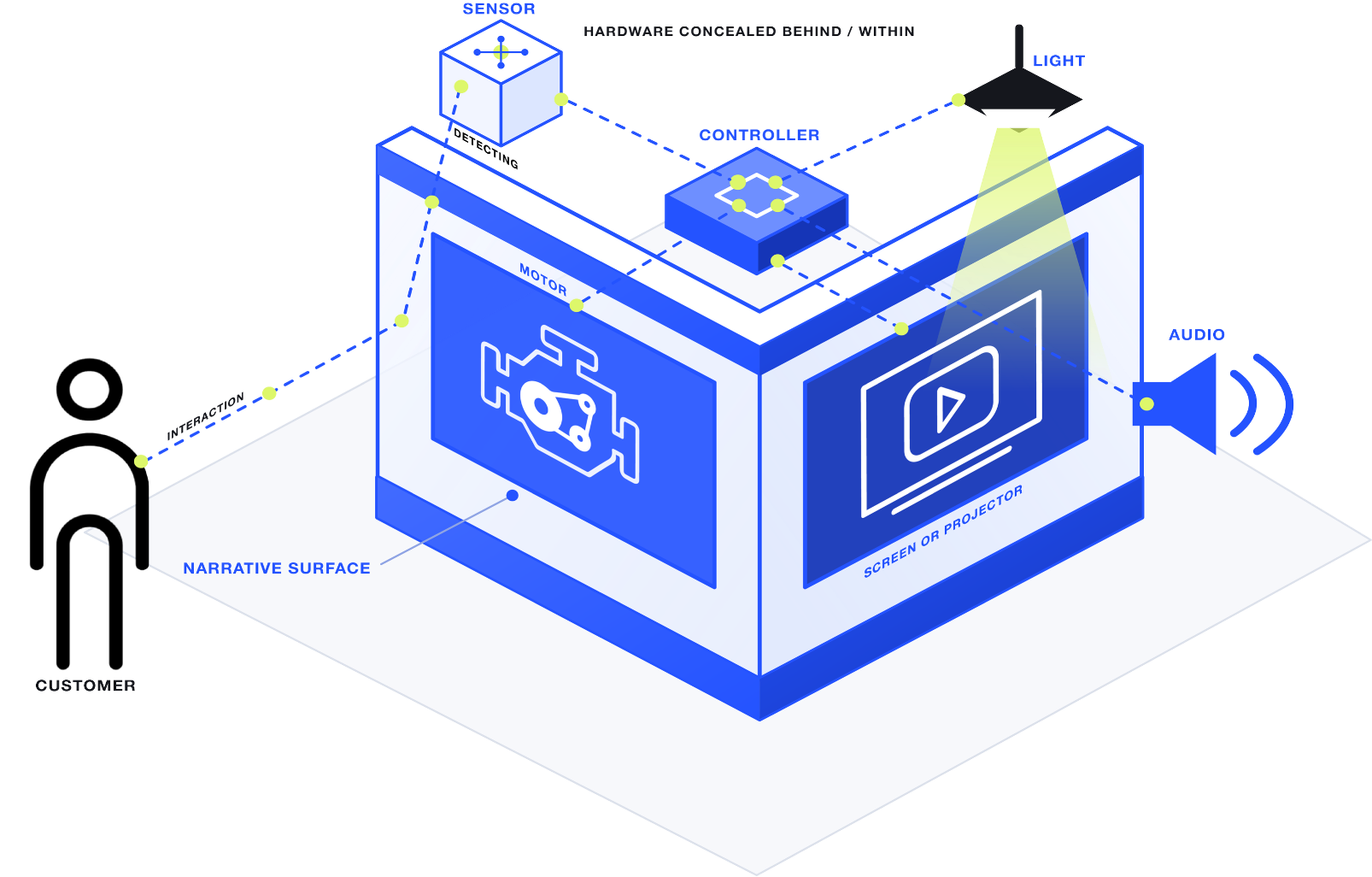
Teaching challenge
Connect spatial storytelling with sensors, actuators, interaction logic and physical deployment—without turning the course into an engineering module.
Students began with a foundation in visual and spatial design but no software or hardware development experience. The pedagogy made technology answerable to the design proposal—not the other way around.
01 · Four-stage teaching model
Technical complexity follows the proposal—not the timetable.
- 01
Frame the experience
Translate the brand brief, audience and site into an experiential design question.
- 02
Design the interaction
Move from static display to input → processing → output logic.
- 03
Choose a making path
Two teams fabricated independently; three worked with technical partners while retaining design responsibility.
- 04
Deploy and reflect
Prototyping, public display and brand review reveal technical and experiential consequences.
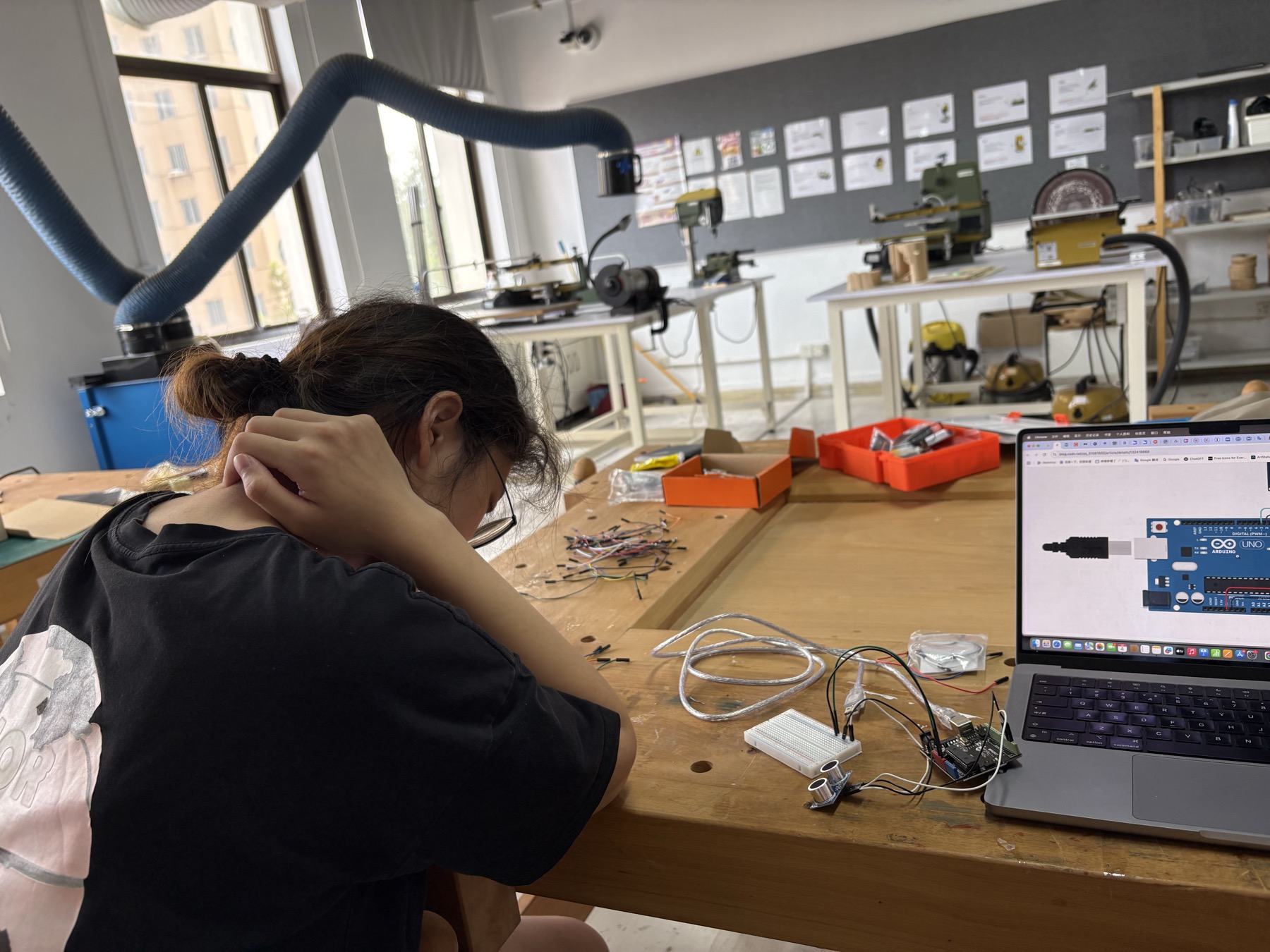
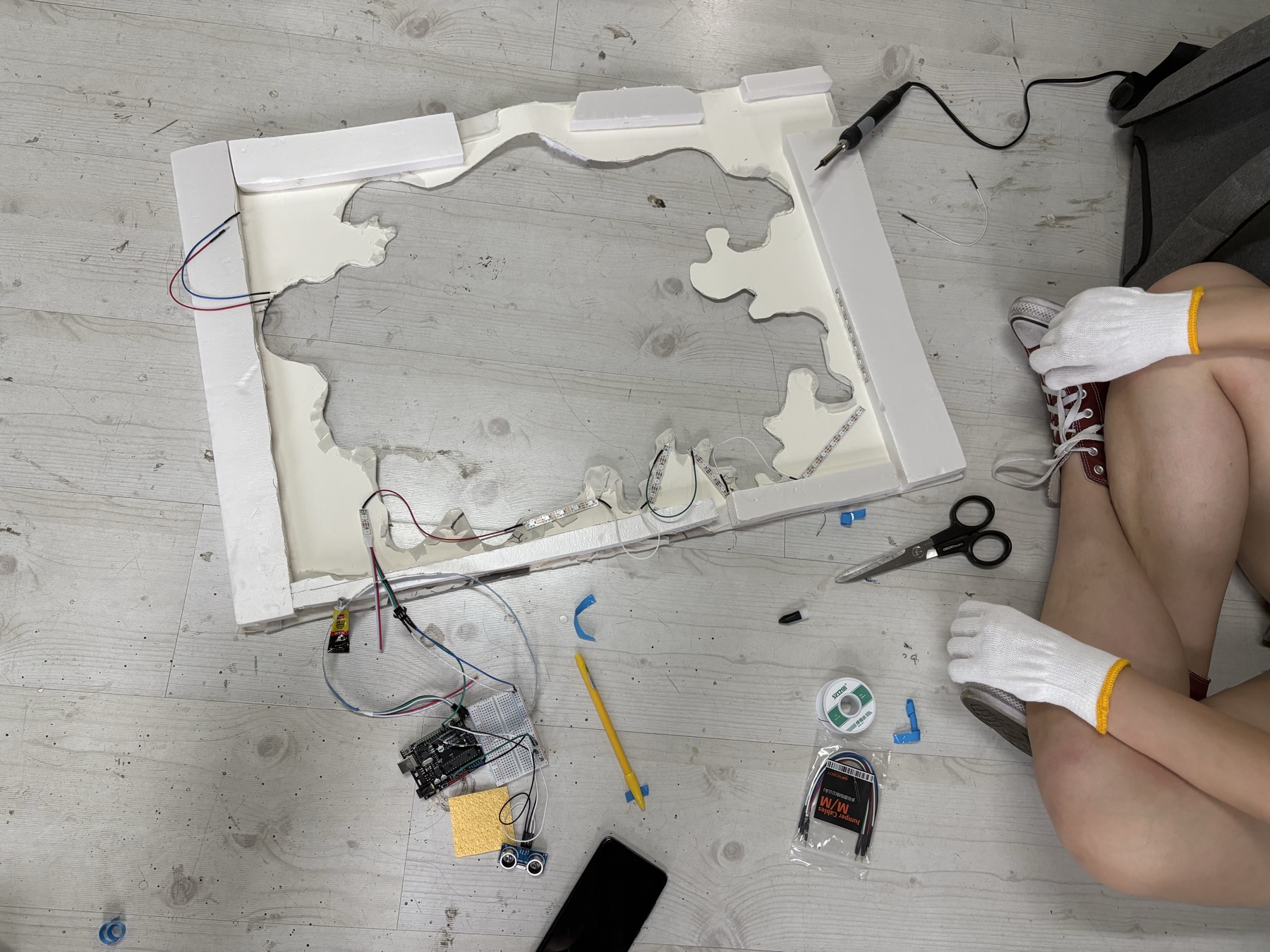
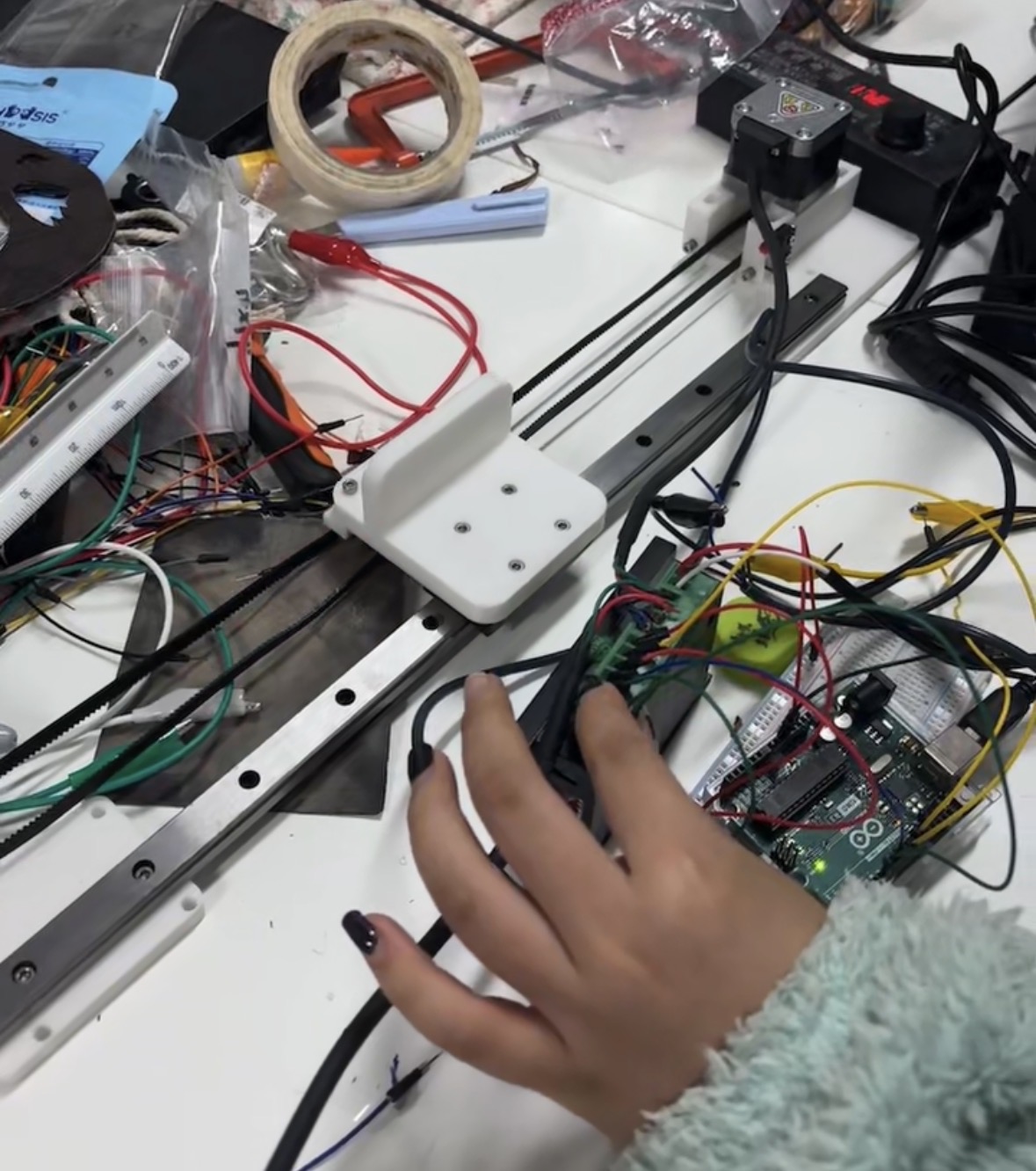
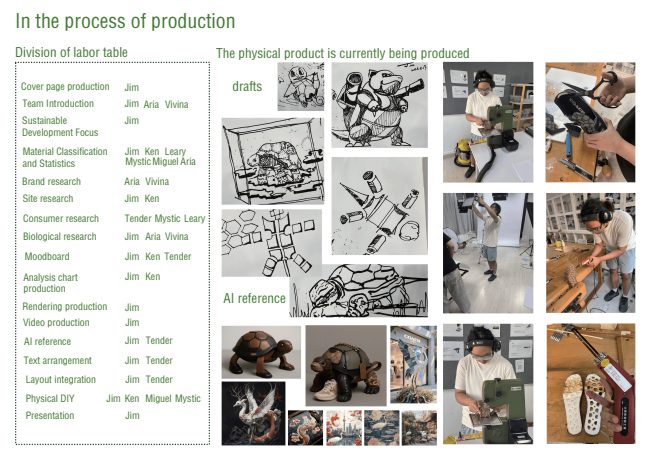
Student making process
Ideas moved repeatedly between spatial mock-ups, circuits and full-scale assembly.
02 · Student outcomes
Five teams, five deployable interaction directions.
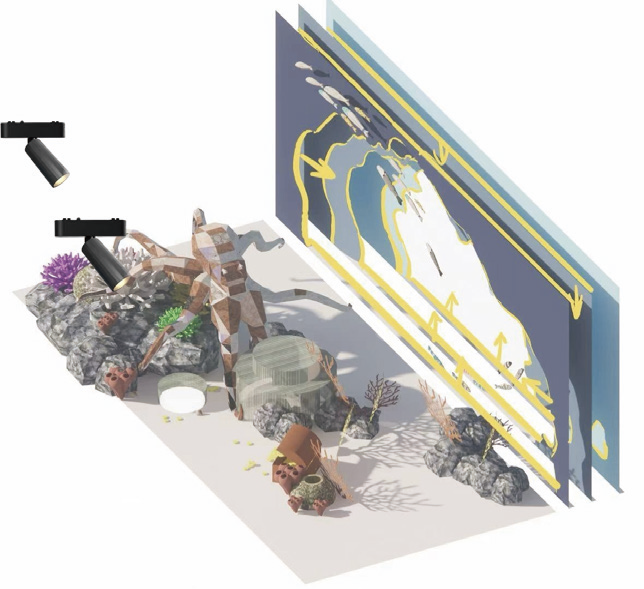
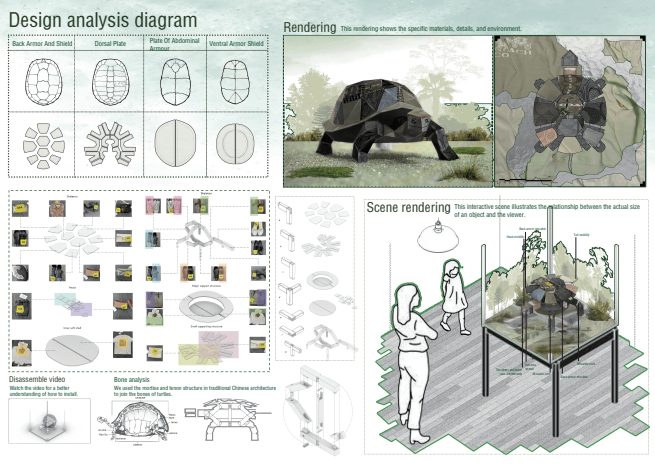
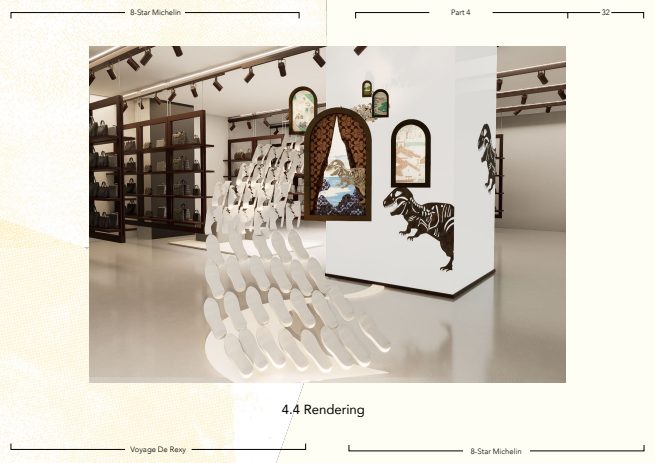
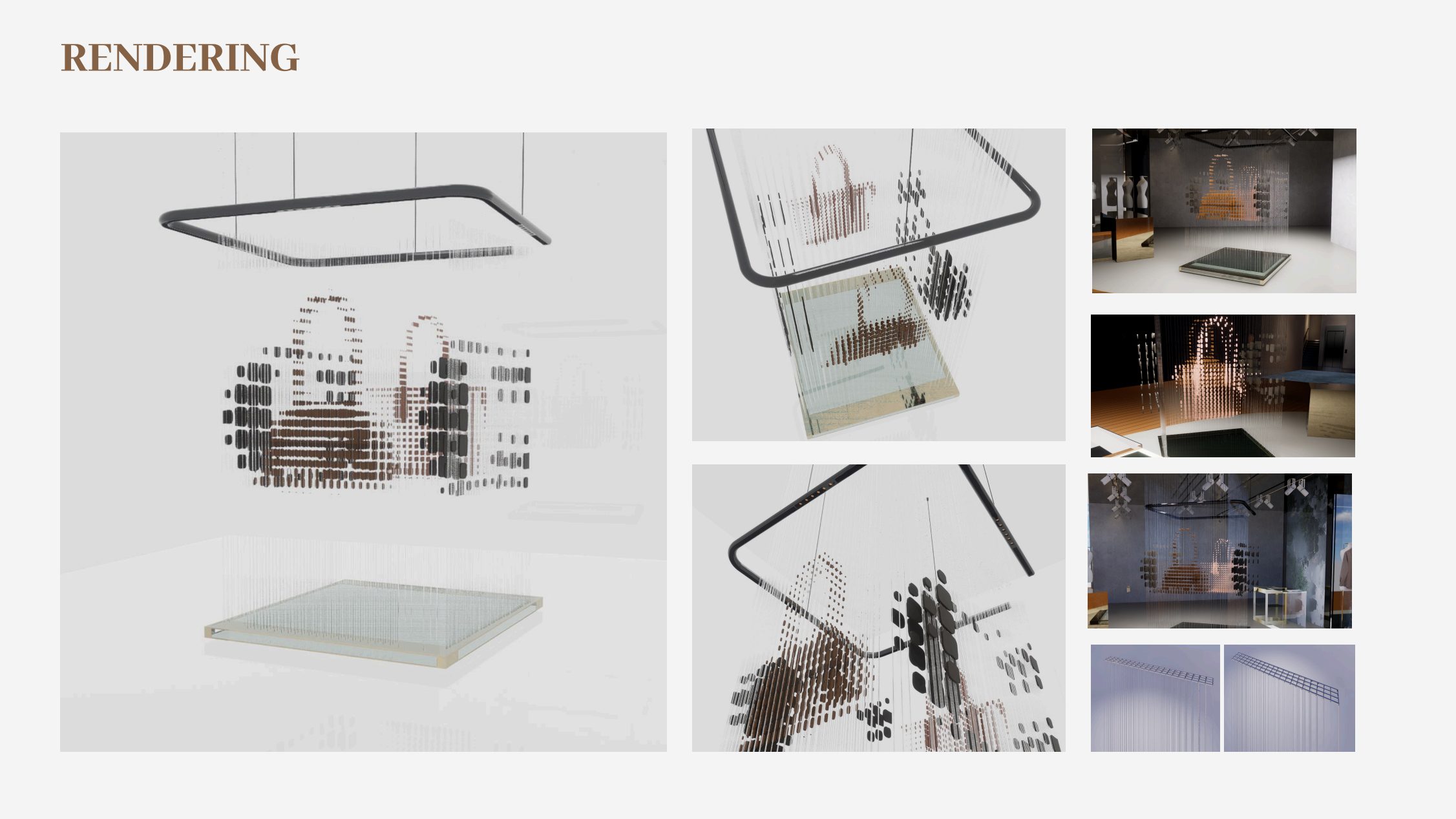
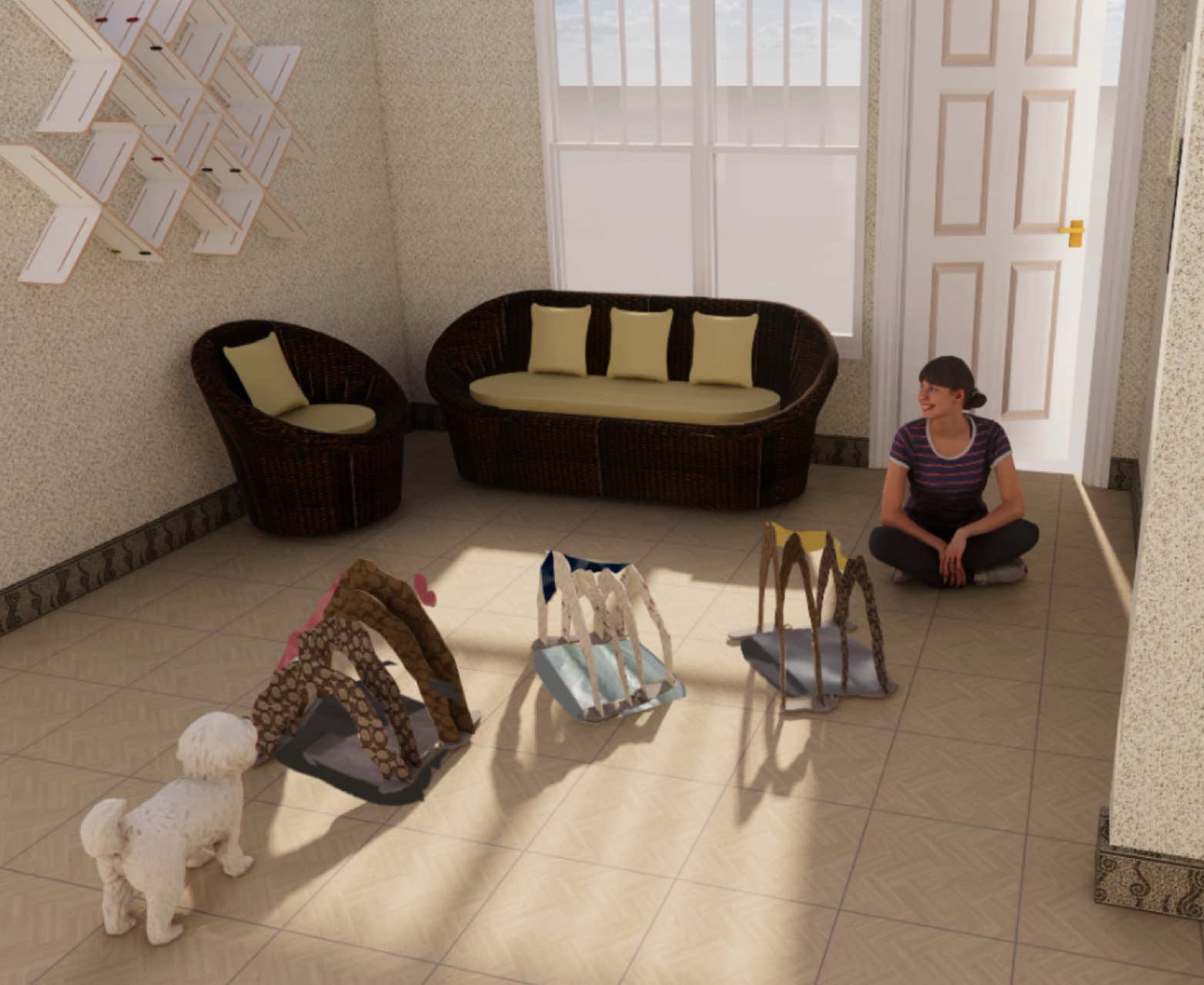
Prototype demonstrations
Four interaction systems shown in operation.
Each clip is available on demand so the page remains quiet and the reader controls playback.
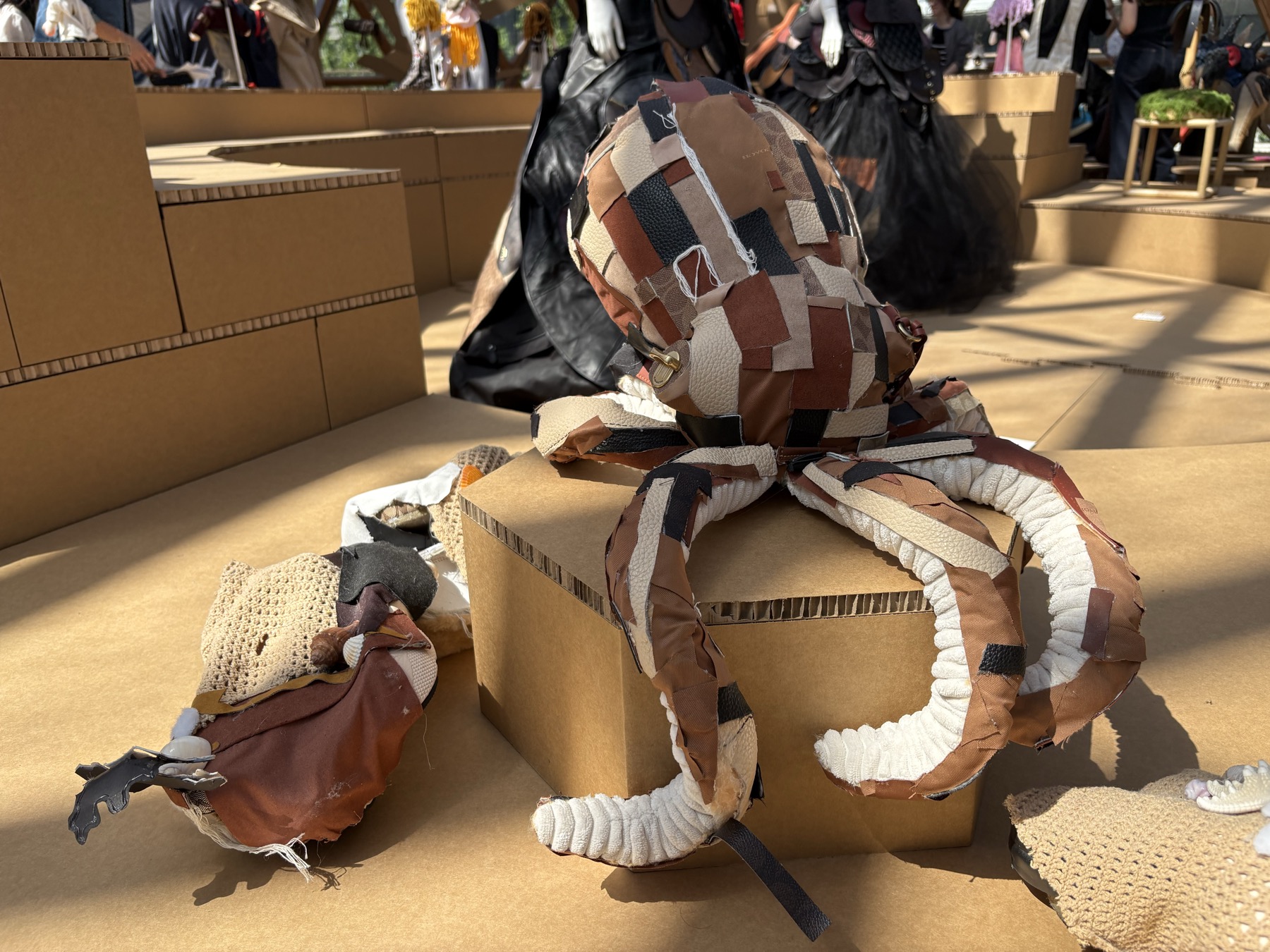
Awarded exhibition work
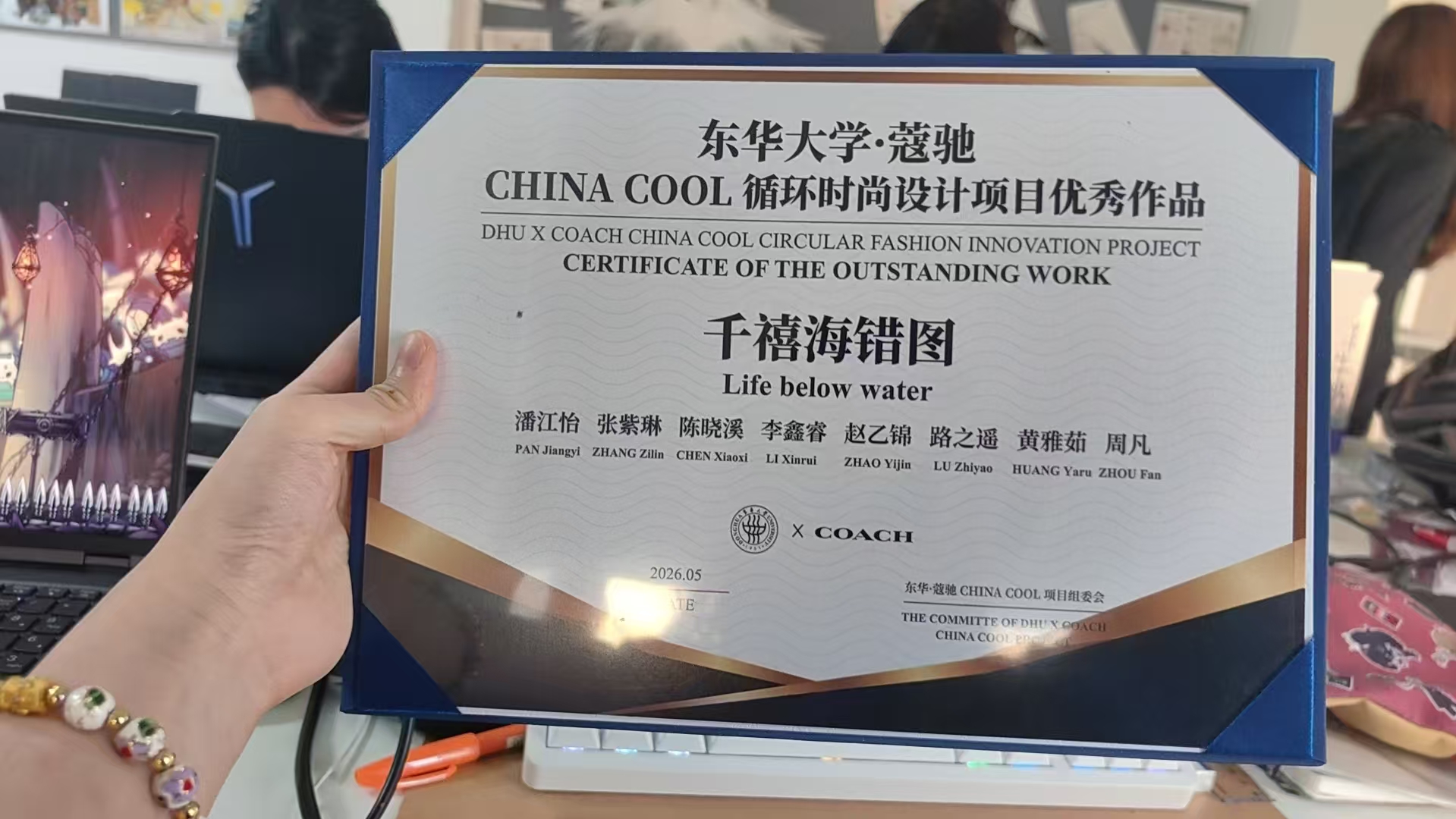
Millennium Hai Cuo Tu presented as a static installation at THE SEED, West Bund Shanghai.
The work was presented as a static installation at THE SEED in West Bund, Xuhui, Shanghai. The exhibition focused on the physical artefact rather than the project’s dynamic interaction system, which was not installed on site. The presentation therefore records the work’s scale, material resolution and public exhibition outcome.
03 · Evidence
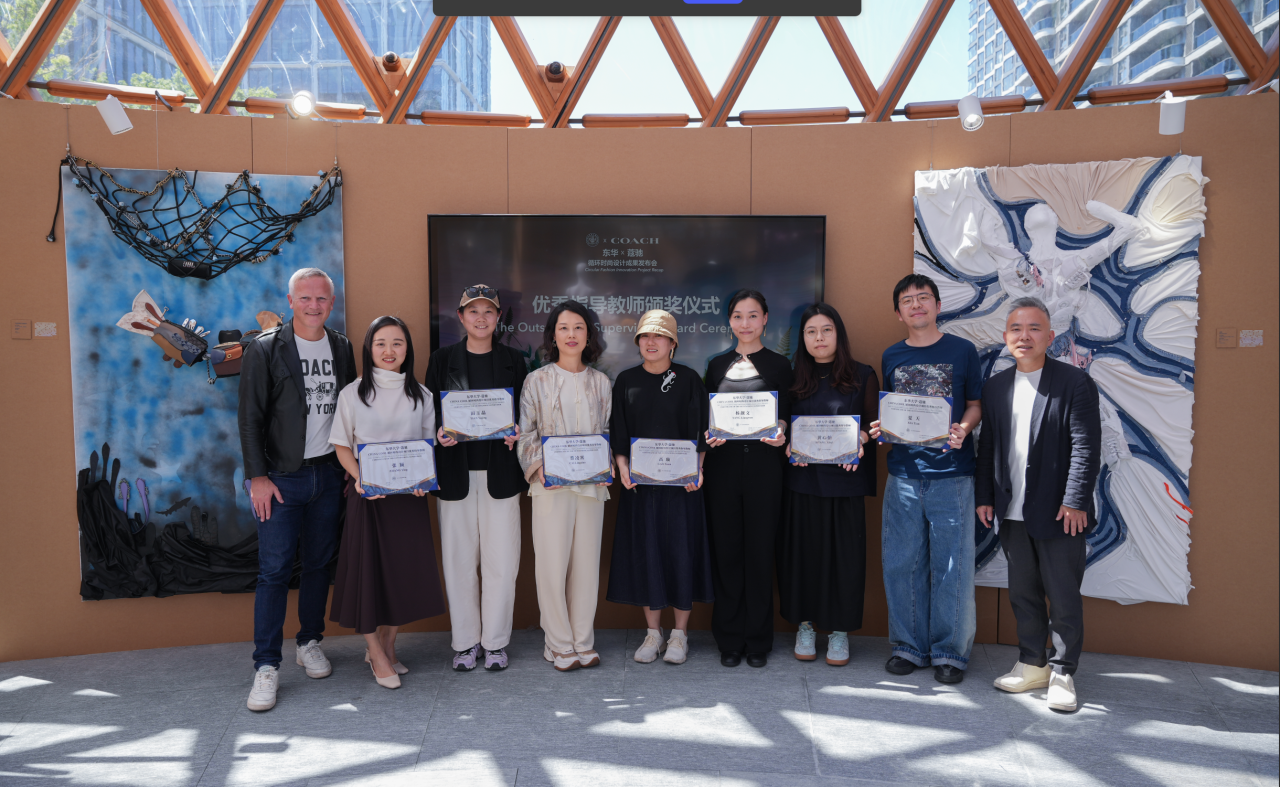
Reflection and next iteration
Deployment demonstrated progression—not uniform engineering mastery.
The differentiated paths allowed every team to retain design responsibility while choosing an appropriate level of technical making. The project produced a teaching text, digital tutorial, student case collection and a teaching paper under revision.
Next: cross-school teaching, tiered technical assessment, stronger pre/post evaluation and deeper engineering support.