Research thesis
RESEARCH · 03 HERITAGE LOGIC
Latent Heritage:
Industrial Muse
An instrumented AI pipeline for transferring Chinese craft logic into new design directions.
StatusOngoing international collaboration
InstitutionsDonghua University × HAW Hamburg
My roleLoRA training · ComfyUI workflows · Generation runs · Method development
CollaboratorsProf. Peter Kabel — HAW Hamburg
Aimee Zhang — Donghua University
Aimee Zhang — Donghua University

Research question
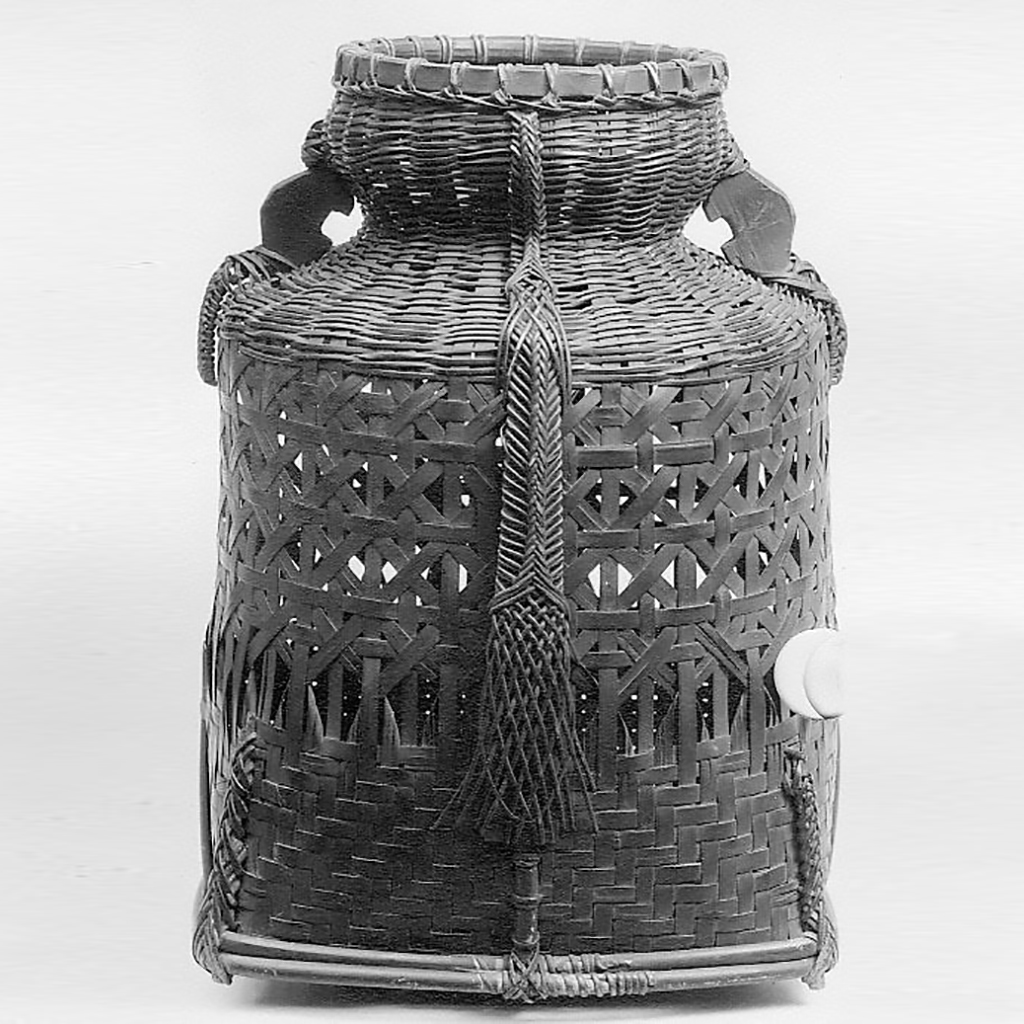
What new design possibilities emerge when AI learns how Chinese crafts work—not merely how they look?
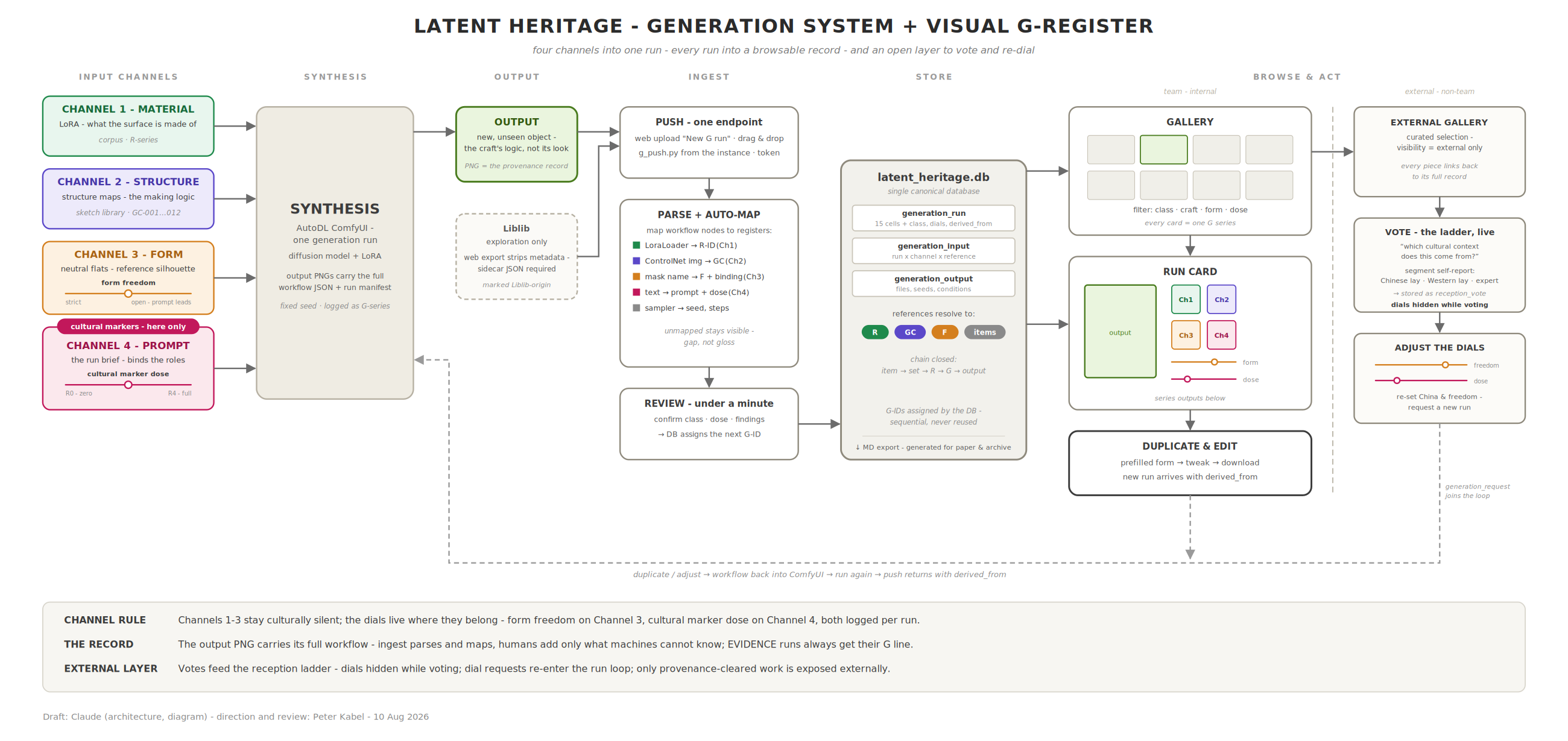
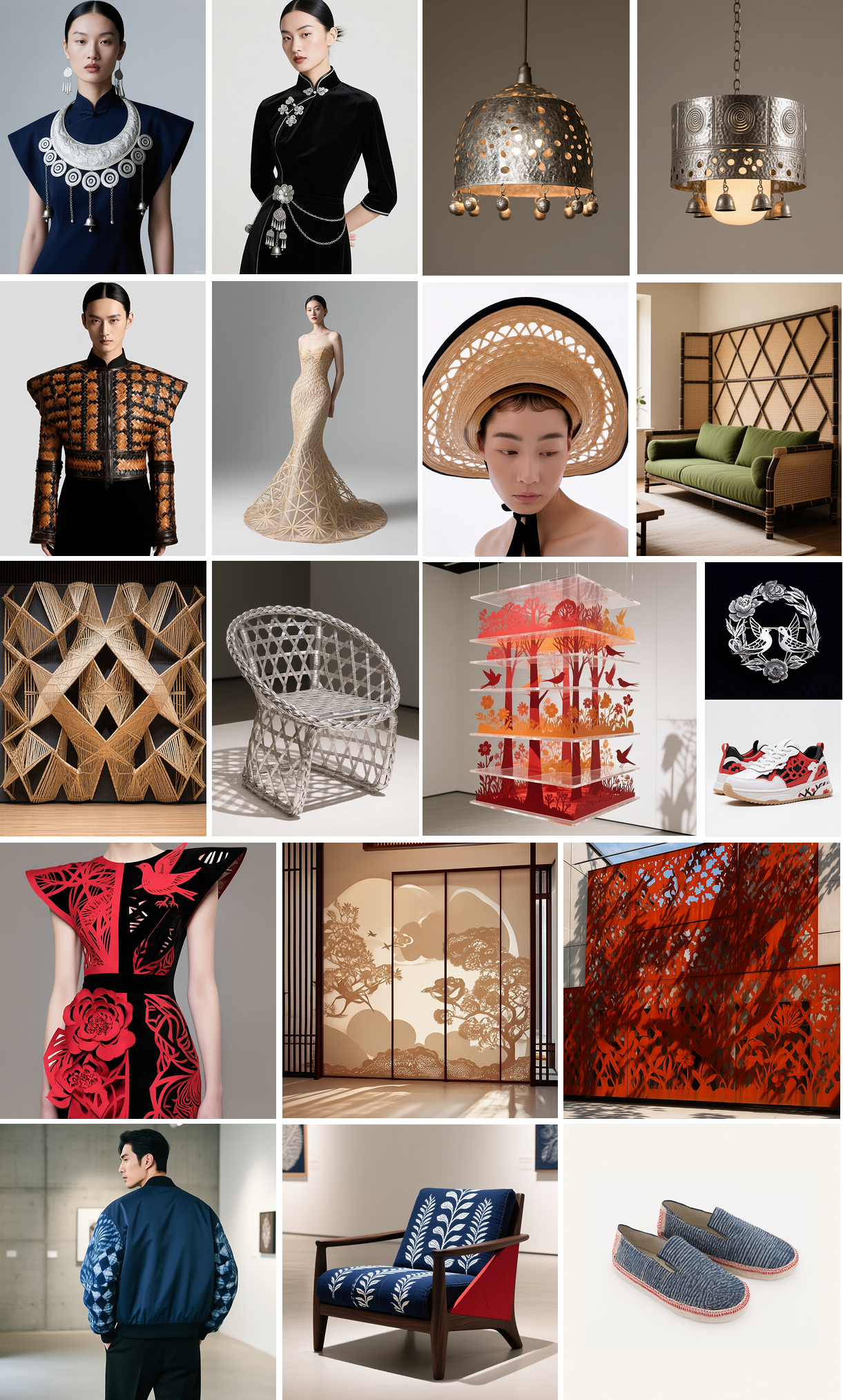
Latent Heritage studies around thirty Chinese crafts—from bamboo weaving to Miao silverwork—as operational grammars: folding, weaving, locking and suspension. These principles enter an AI image system through four controlled channels—material, structure, form and language—to produce unfamiliar designs without decorative clichés. Every source image, dataset and generation run remains traceable, grounding experimentation in provenance and respect for craft communities.
01 · Knowledge foundation
A governed corpus turns cultural provenance into part of the research method.
2,170+corpus images ingested
30crafts catalogued by functional logic
8+LoRA training runs across four craft instruments
24versioned grammar sketch sheets
Team-level evidence.
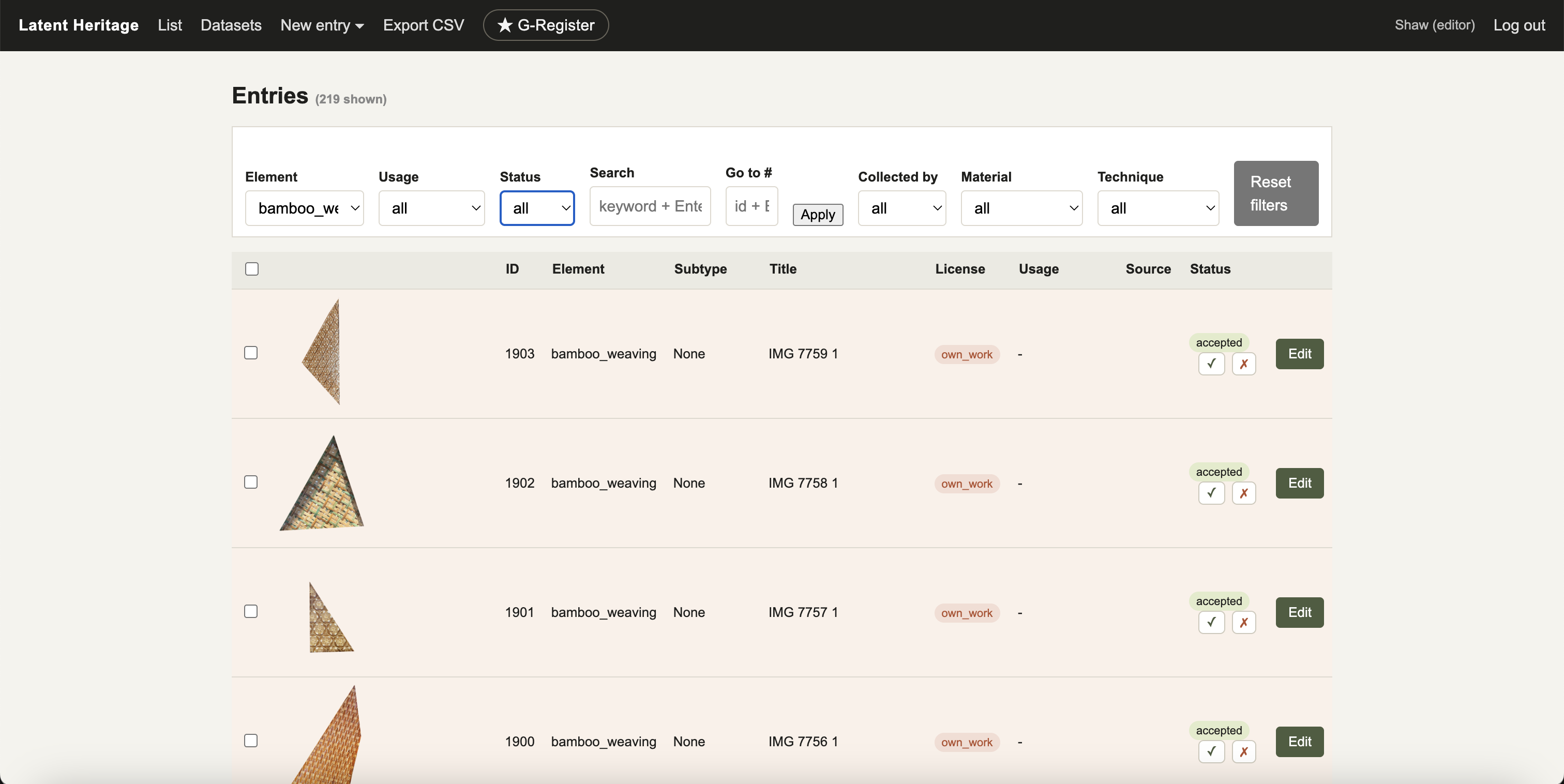
Each image carries source, licence and provenance records. Each new craft follows the same route: corpus → curated set → LoRA + grammar maps → registered runs.
02 · Generation architecture
Four controlled channels assign different responsibilities inside one generation run.
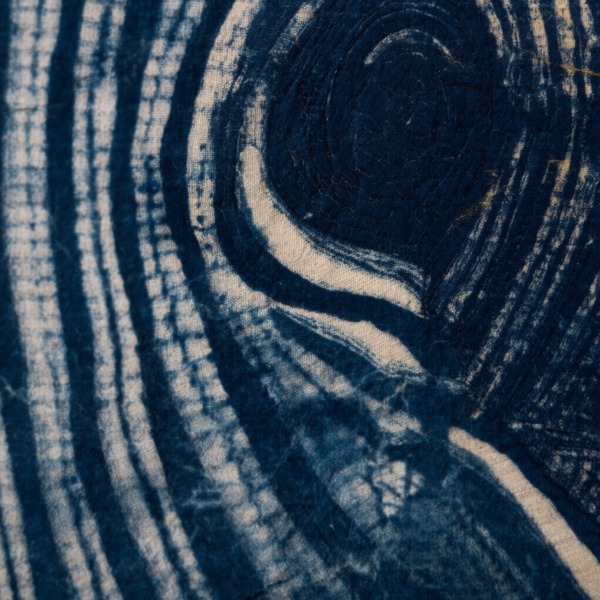
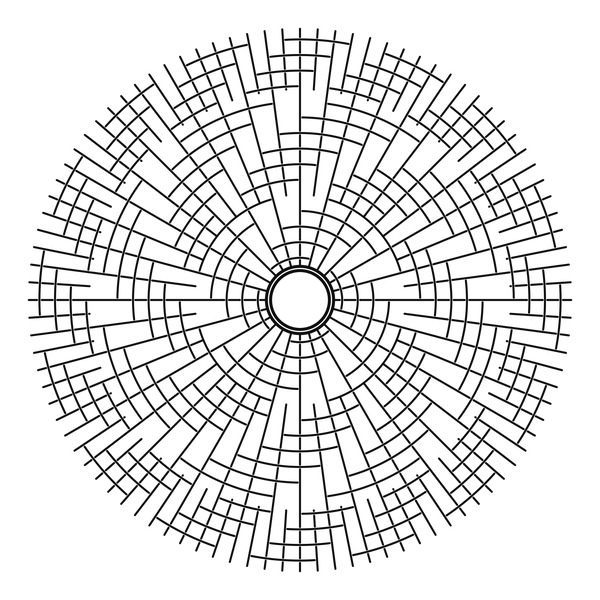
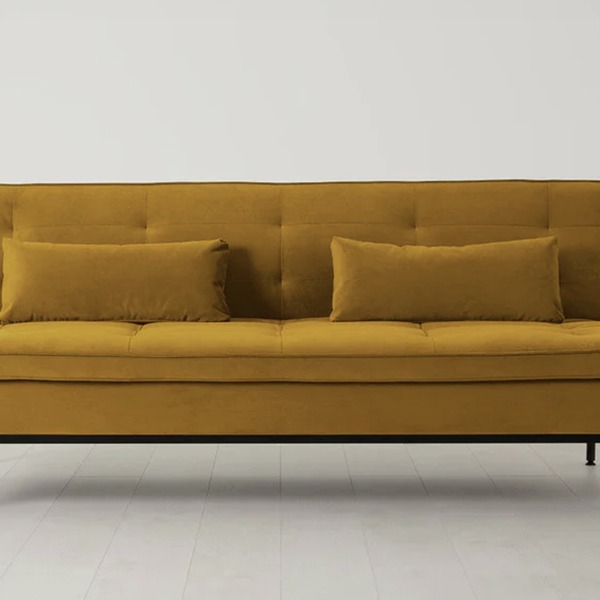
04 · Prompt · Live input
{ material,
structure,
form, object,
context, intent }
A structured concept brief binds the roles without pretending that text alone is the pipeline.
03 · Controlled evidence
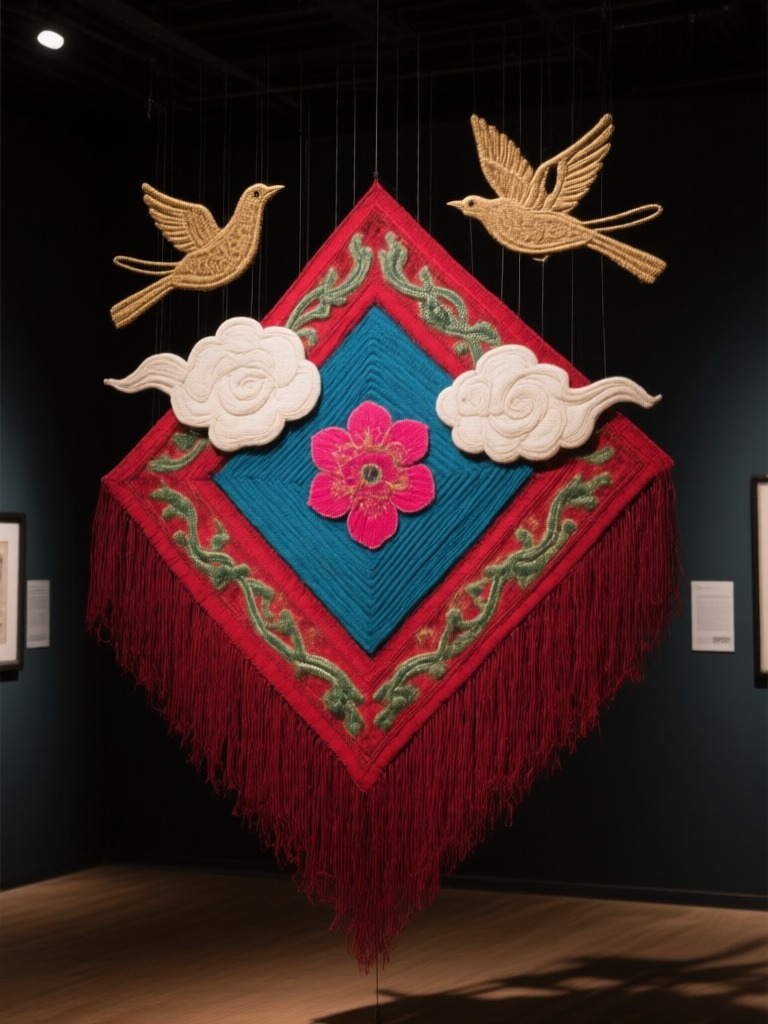
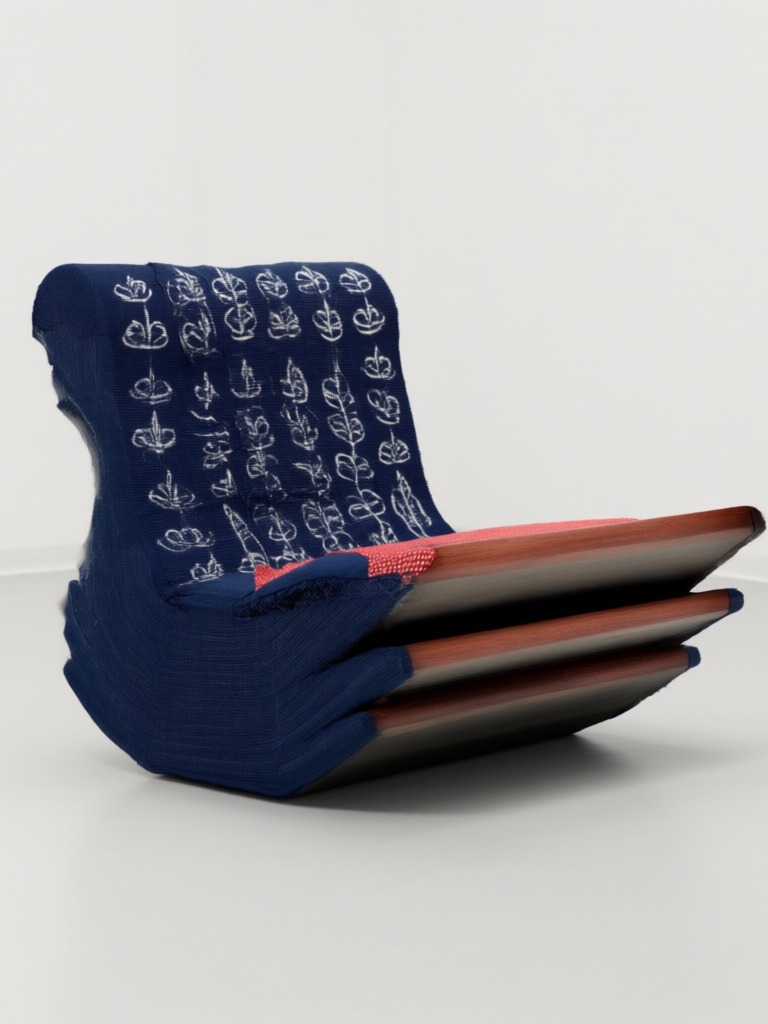
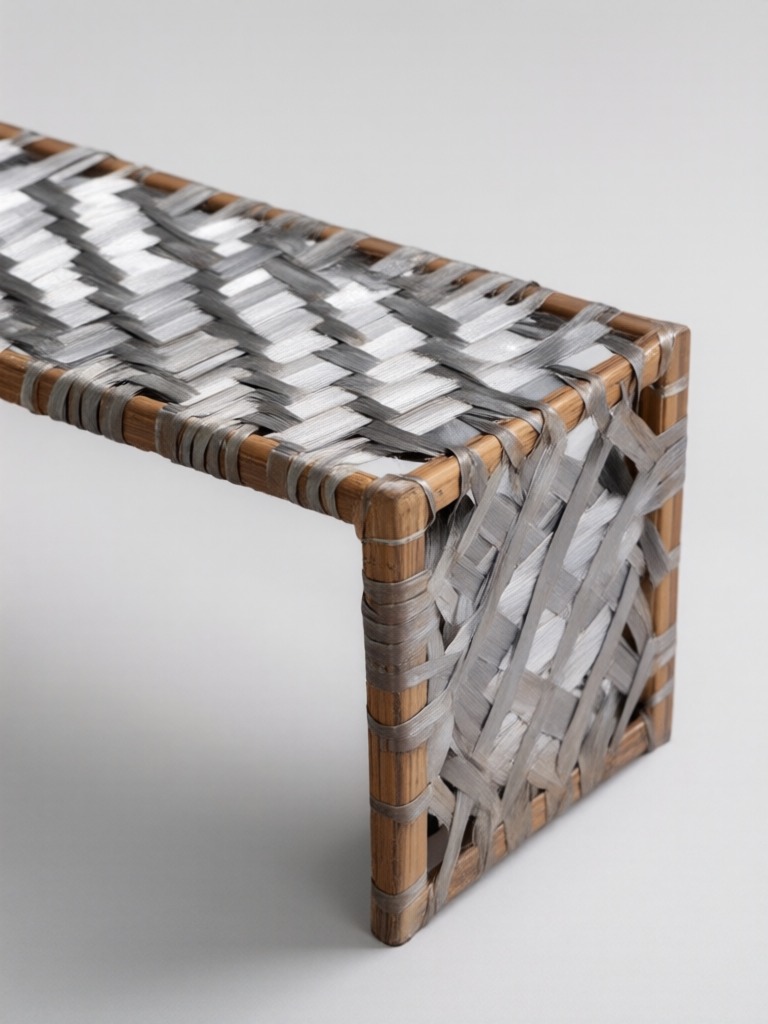
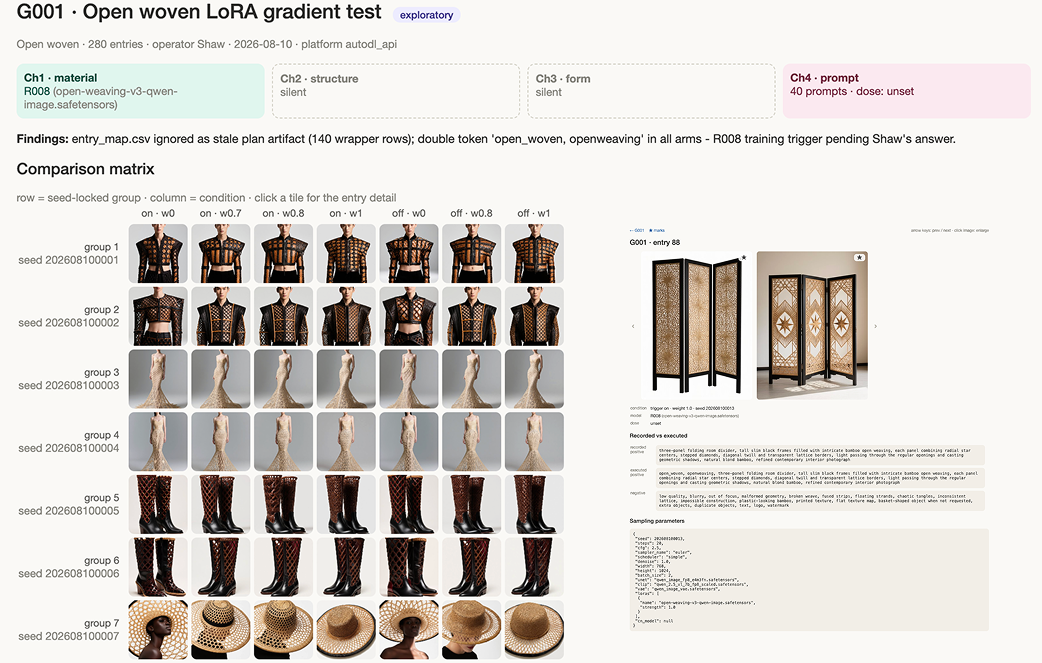
Same seed, same brief—the instruments reveal what actually changes.


The comparison asks whether the model merely applies a surface pattern or begins to reorganise the object through a craft-derived logic.
Seed-locked ablations, strength ladders and material swaps keep the change attributable and inspectable.
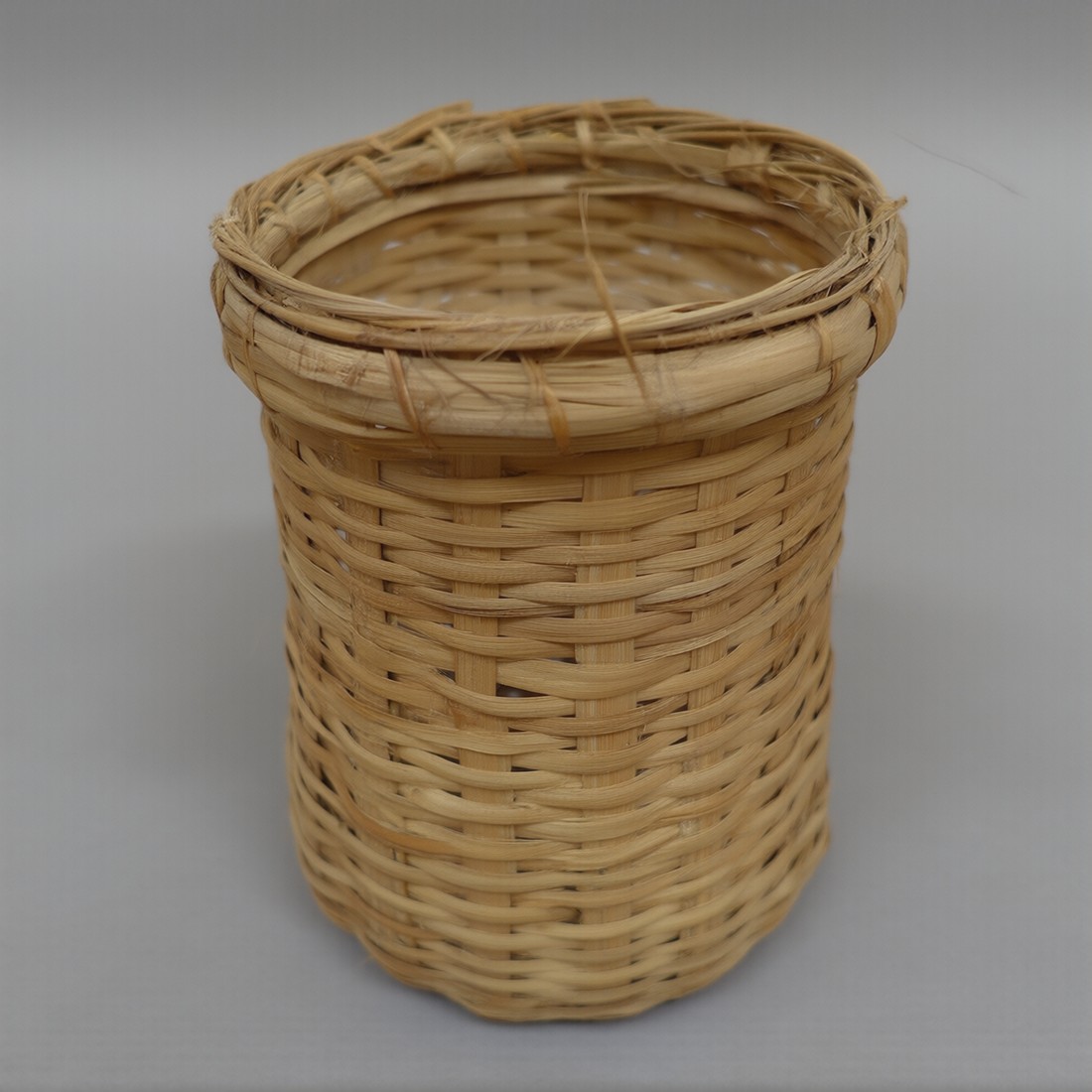
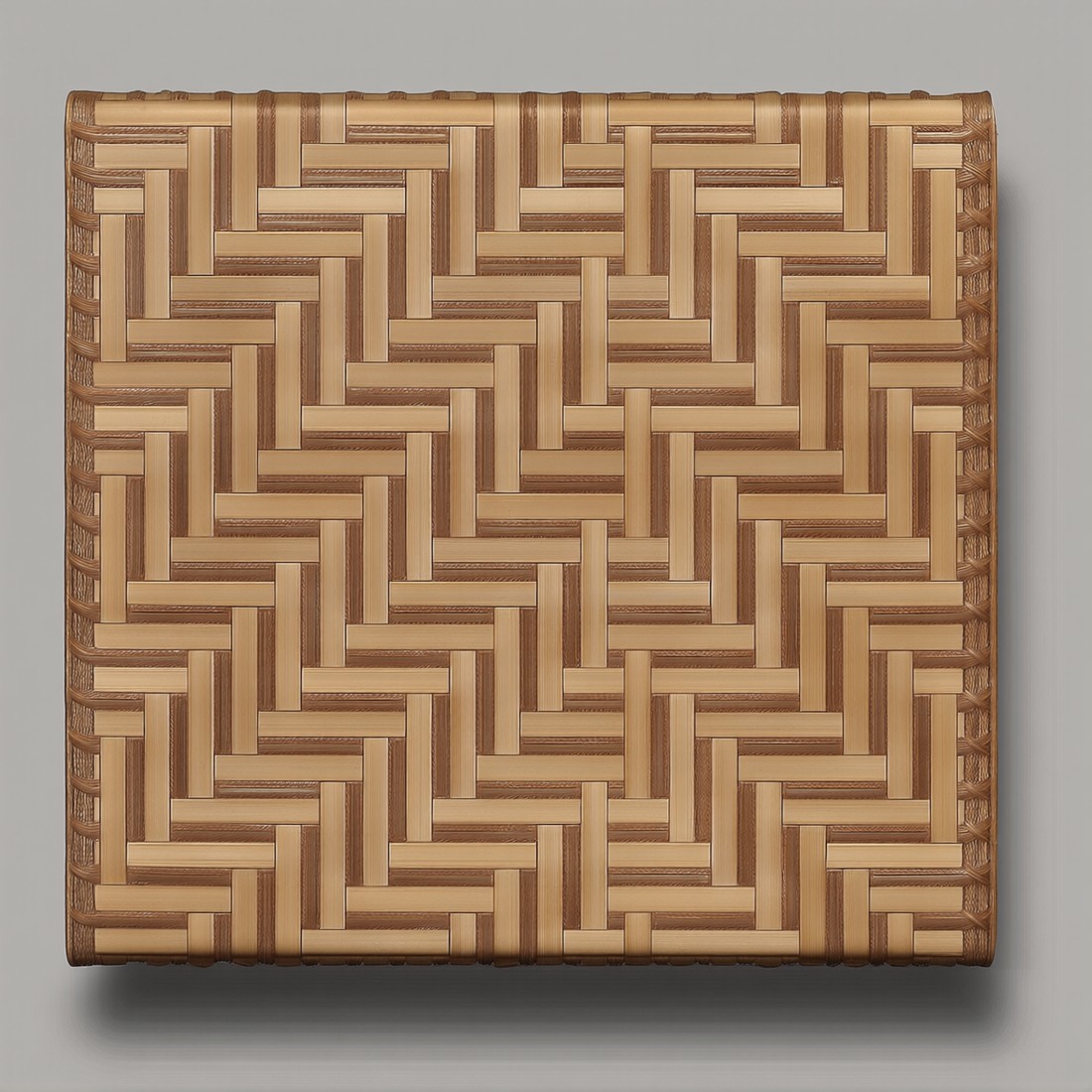
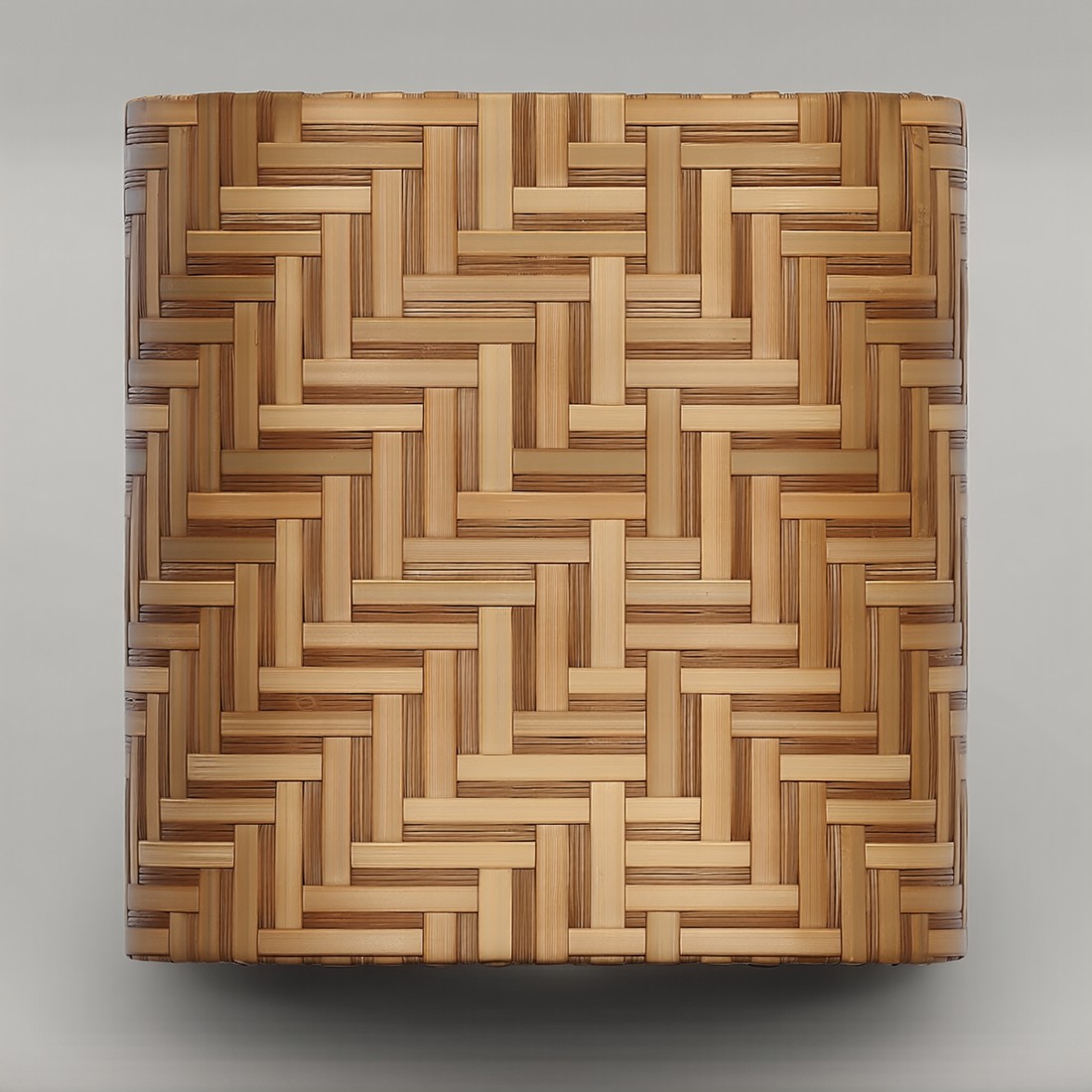
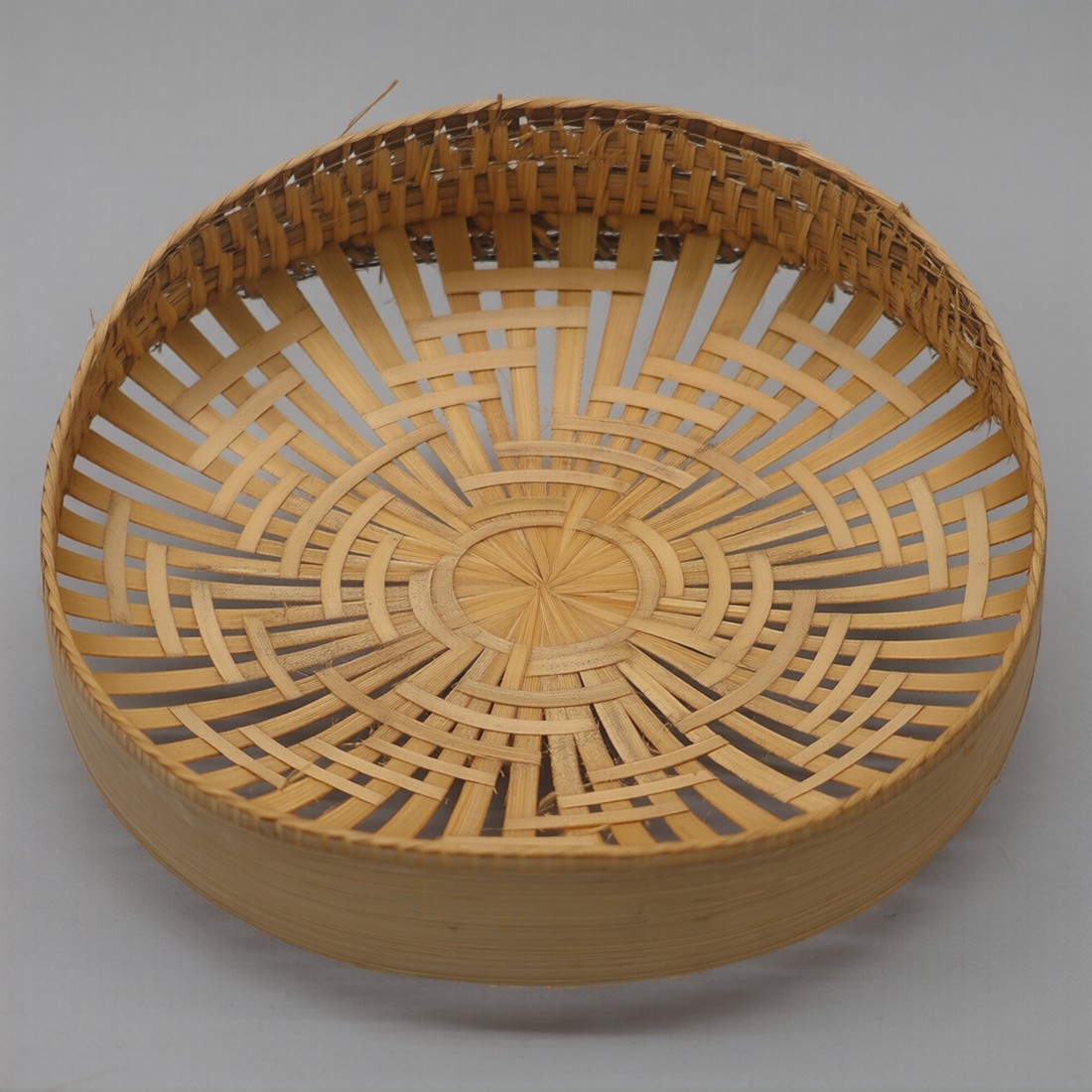
04 · First end-to-end run
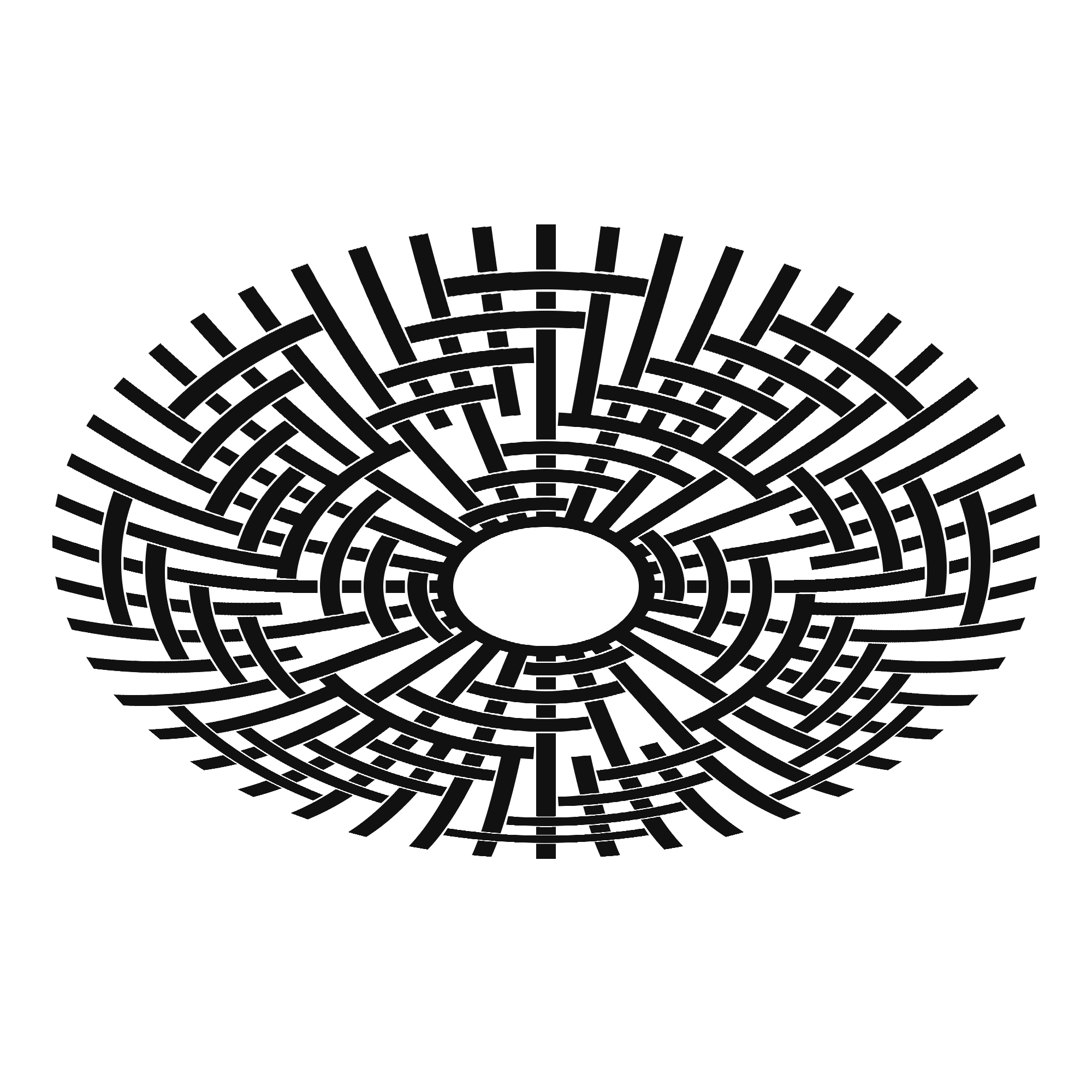
A first test of material, structure and prompt together—not yet a proof.


05 · Traceability infrastructure
Every source, dataset and generation run remains inspectable.
Research boundary and next phase
Novelty remains human, governed and culturally situated.
The project is non-commercial research. Publication-grade or commercial reuse requires renewed licence review, and minority-craft work requires cultural-advisory participation rather than technical validation alone.
Next: complete structure and form channels, conduct Chinese–Western reception research, develop pairwise human curation and formalise cultural-advisory review.