RESEARCH · 01 HUMAN–AI CREATIVE AGENCY

Supporting
Creative Agency

AI-based intention understanding and creation support for non-expert illustrators.
Year2017–2024
ContextDoctoral research · Tongji University
RoleResearcher · Interaction designer · Prototype developer
MethodsSystematic review · Creator modelling · Prototyping · Evaluation
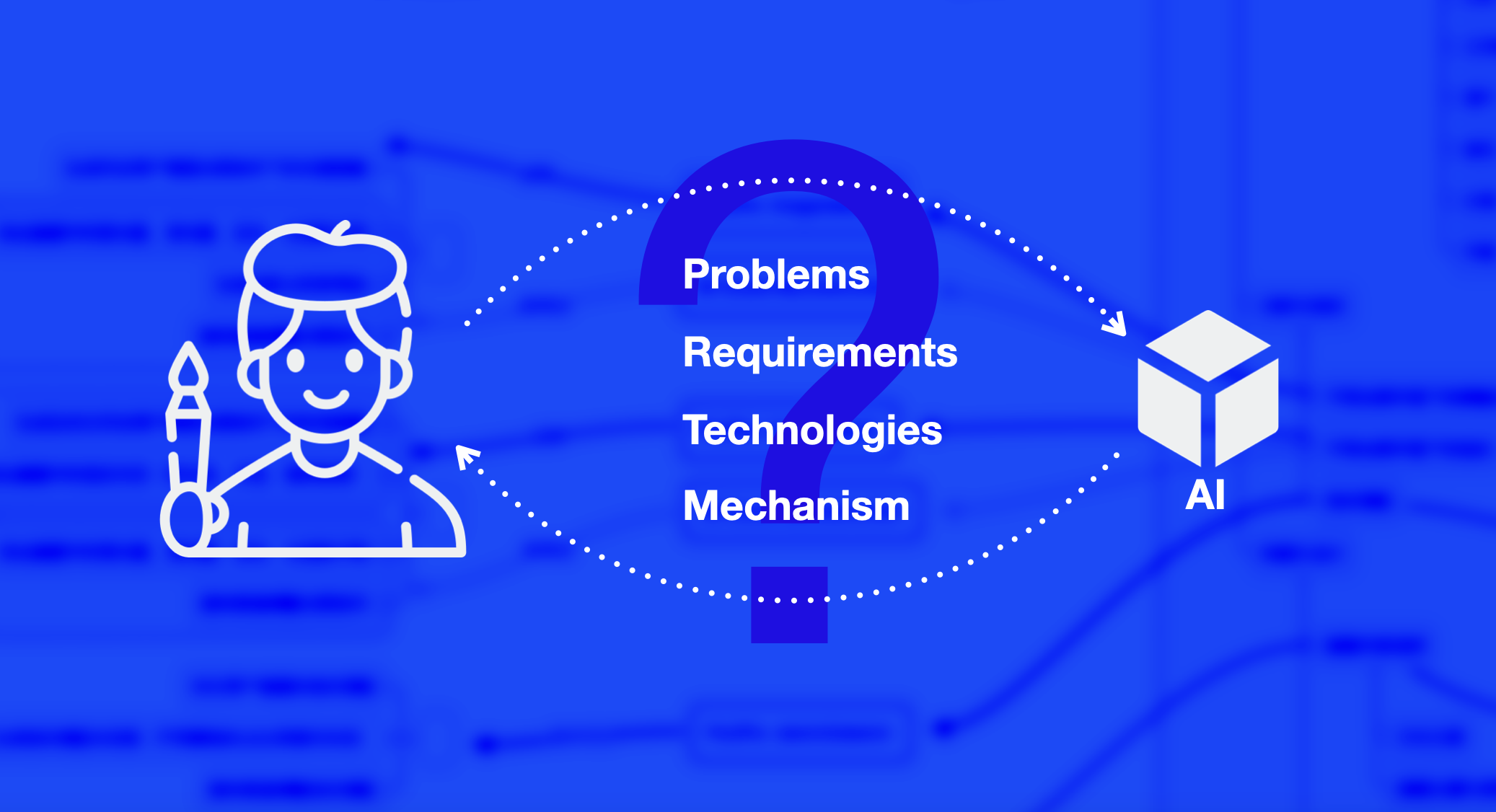
Diagram connecting a creator and AI through problems, requirements, technologies and support mechanisms
The research connects creator problems, requirements, technologies and support mechanisms.

Research question

How can AI understand evolving creative intentions and provide useful support without narrowing authorship or replacing judgement?

The research treats creative freedom as more than automatic image generation. Support must respond to where a creator is in the process, what kind of problem they face and which conditions constrain their next decision.

01 · Mapping the field

Technology advanced faster than creator understanding.

A systematic review mapped how intelligent drawing-support research developed and where its evidence remained thin.

Drawing-support research by content, 2011-2022

Annual distribution of intelligent drawing-support research by content type from 2011 to 2022
Each year is divided by the drawing content addressed: shape and posture, light and colour, composition and design, or mixed content.

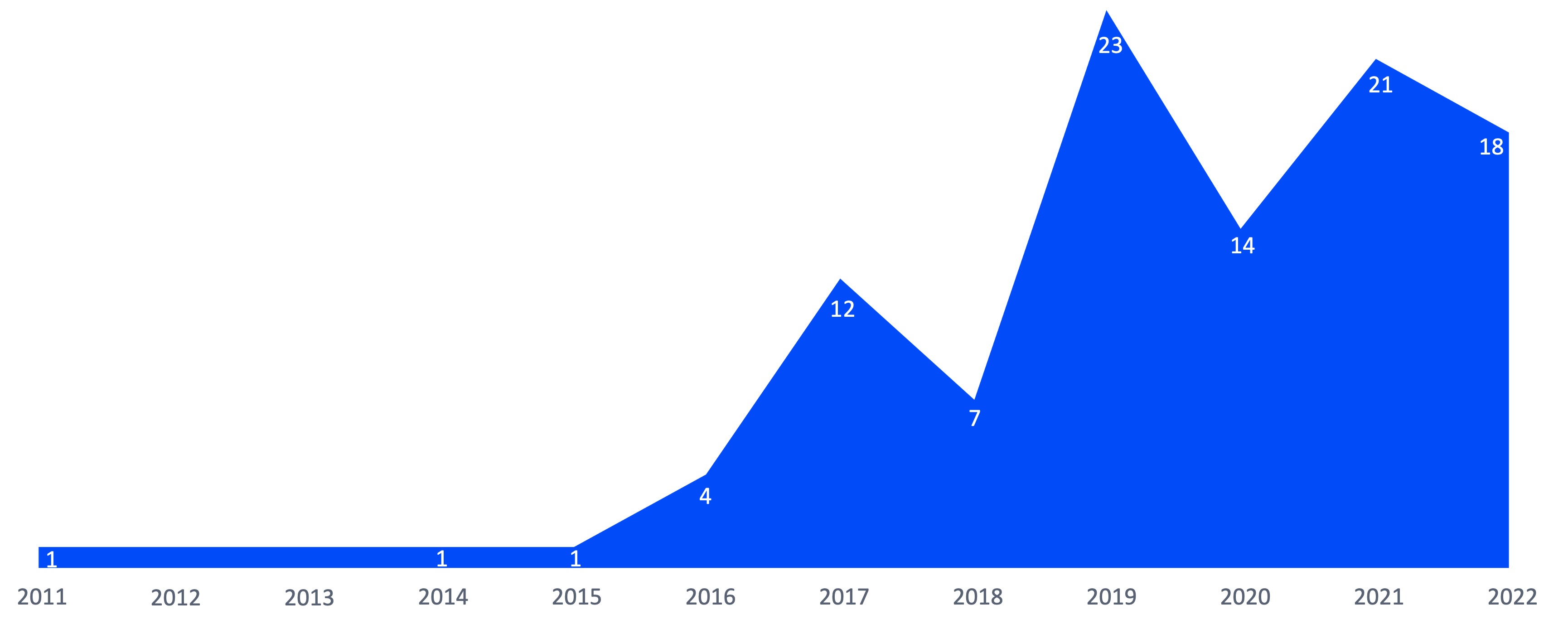
Annual research volume, 2011-2022

Annual number of reviewed drawing-support studies from 2011 to 2022
Research volume grew rapidly after 2016, with 2019 marking the largest annual increase in the reviewed corpus.

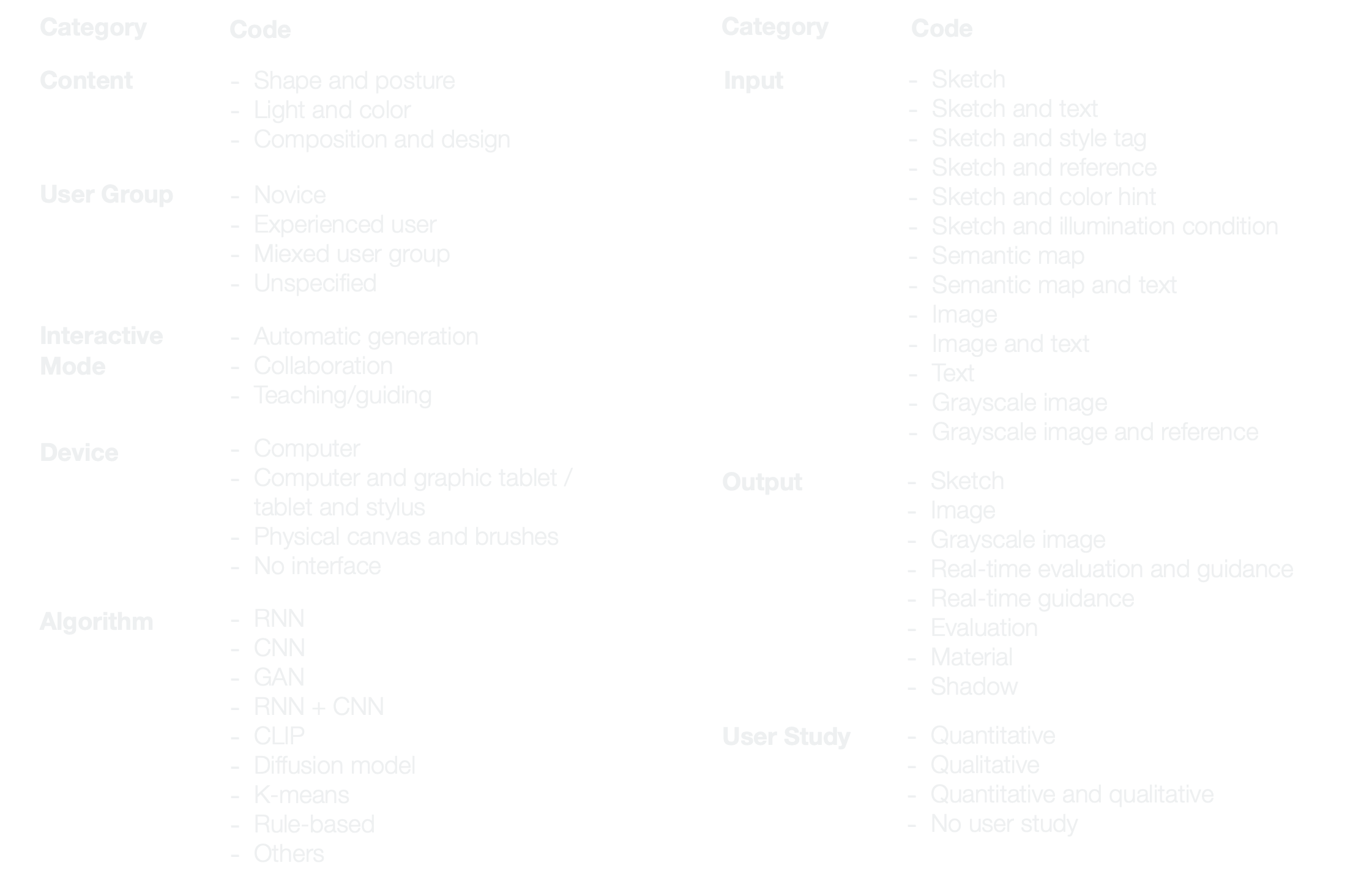
Coding scheme

Coding scheme for content, user group, interaction mode, device, algorithm, input, output and user study
Eight dimensions made the review method inspectable across technologies, interfaces and evaluation approaches.

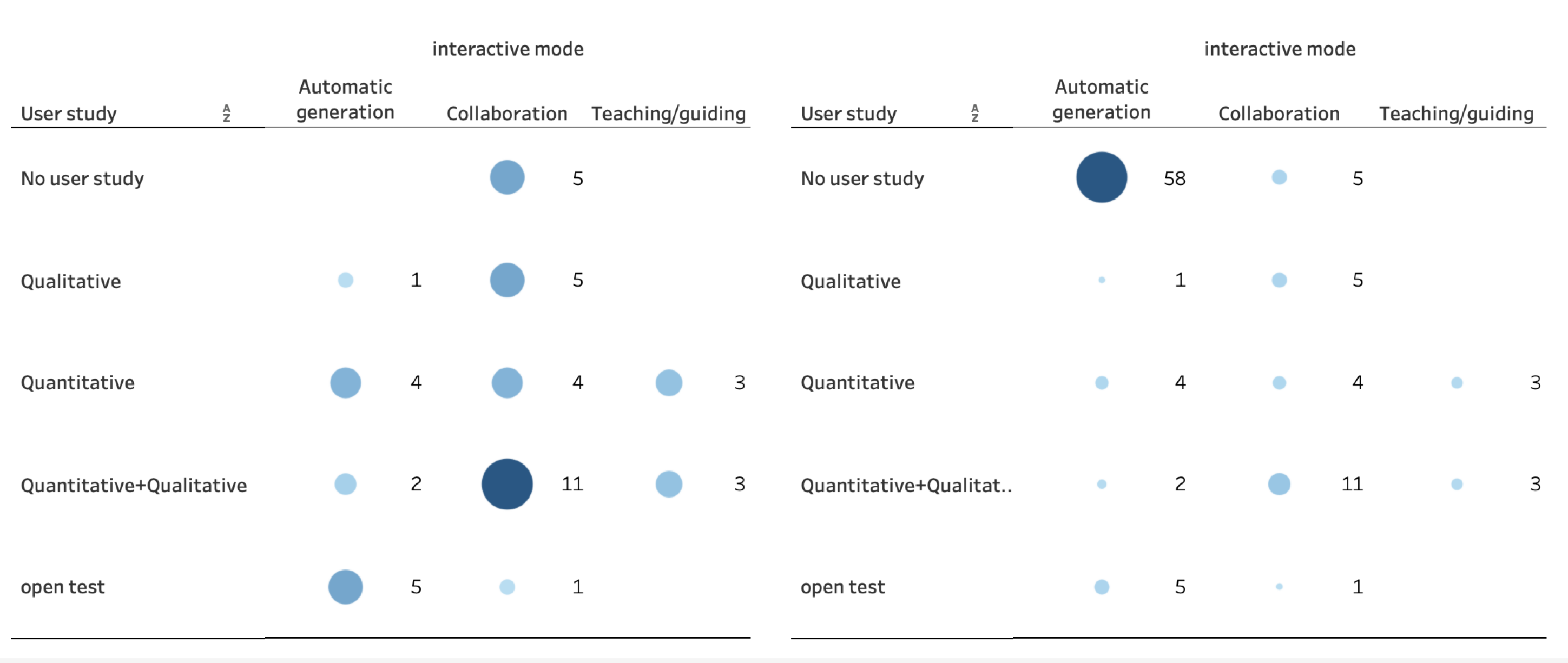
Interaction mode and user study

Bubble matrix comparing interaction modes and types of user study
Automatic-generation systems were frequently reported without a user study, while collaborative systems more often combined qualitative and quantitative evaluation.

The review found a recurring technology-led bias: systems frequently prioritised automatic generation, while creators’ evolving intentions and working conditions remained weakly grounded.

Published as A State-of-Art Review on Intelligent Systems for Drawing Assisting, 2023.

02 · Creator and problem model

Modelling where, why and under which conditions drawing problems emerge.

Creative support becomes actionable when process, content, behaviour and conditions are considered together.
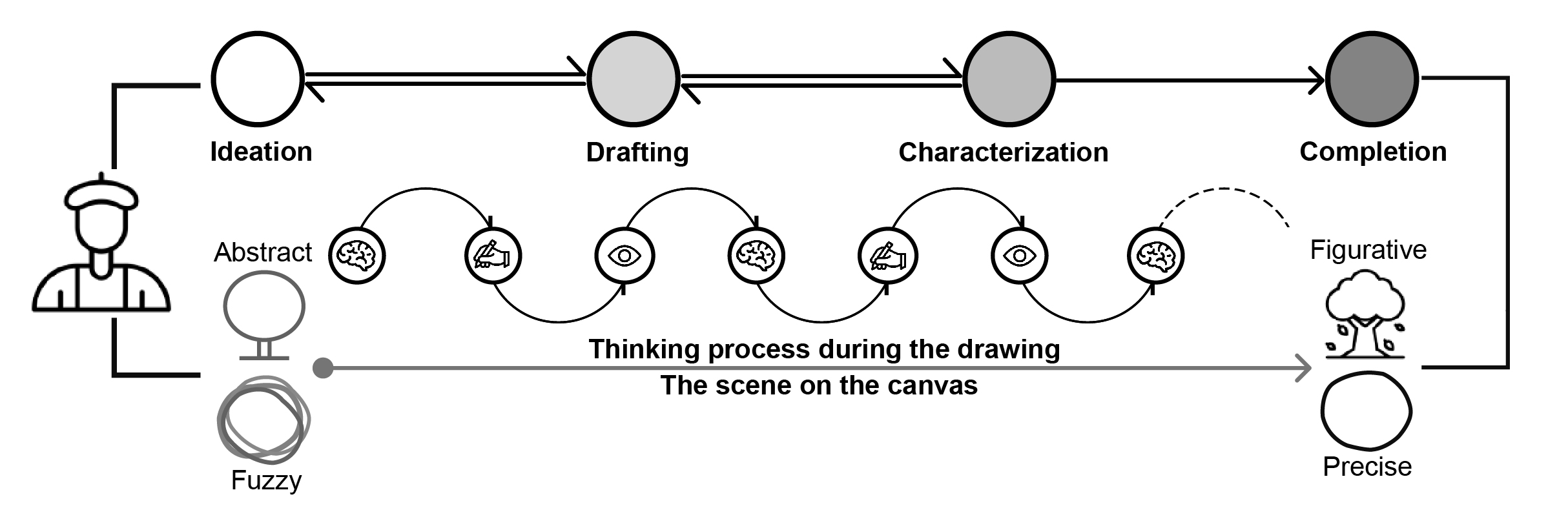
Model of the illustration process from ideation to completion
The creative process forms the primary landscape: Ideation → Drafting → Characterisation → Completion.
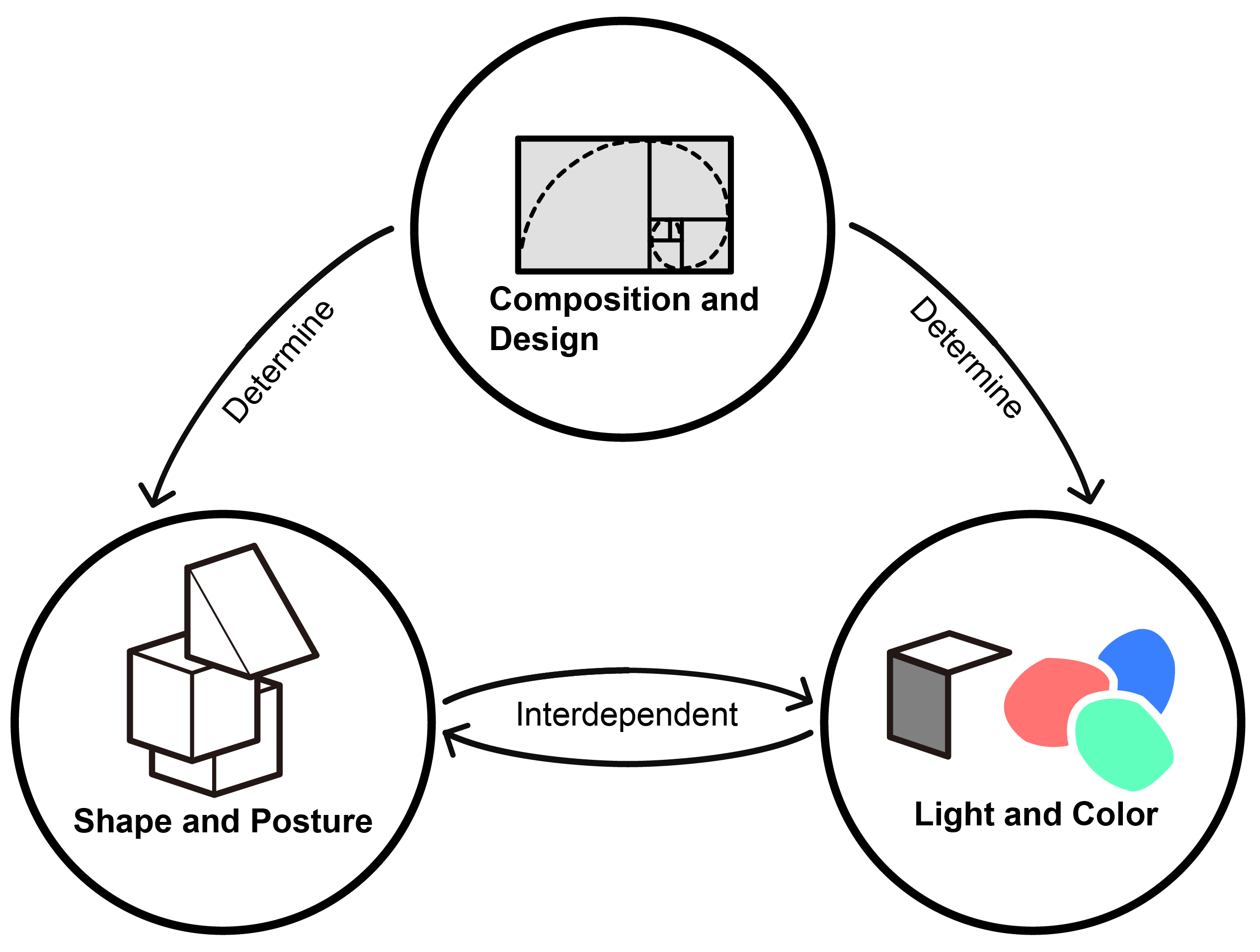
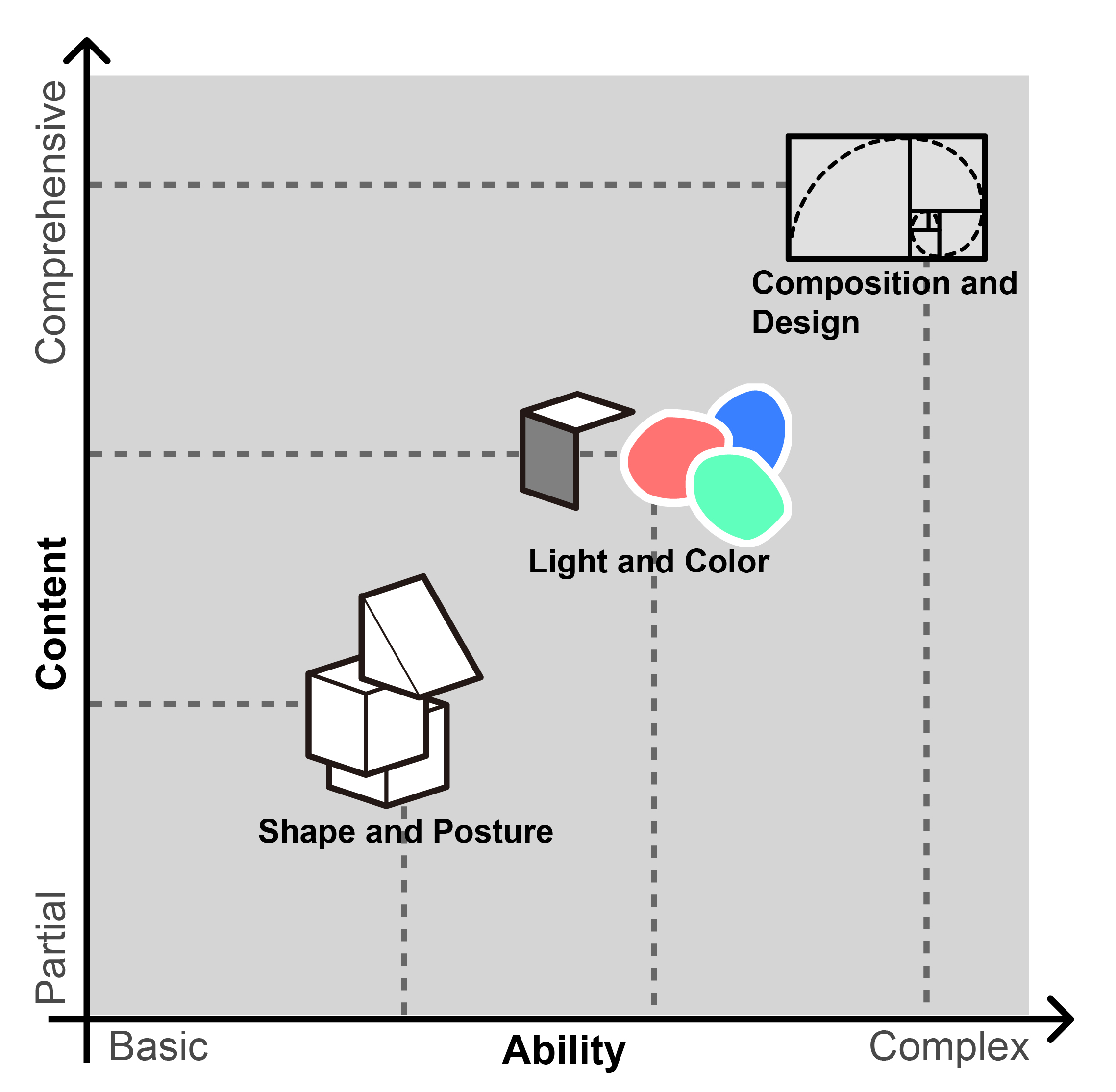
Matrix of drawing content problems
Drawing problems span shape and posture, light and colour, and composition and design.
Relationship model linking creative behaviour and support conditions
Knowledge, experience, tools, abilities and restrictions shape the support a creator can use.

03 · Prototype

Give Me a Hand: scene-fit posture assistance that remains adjustable.

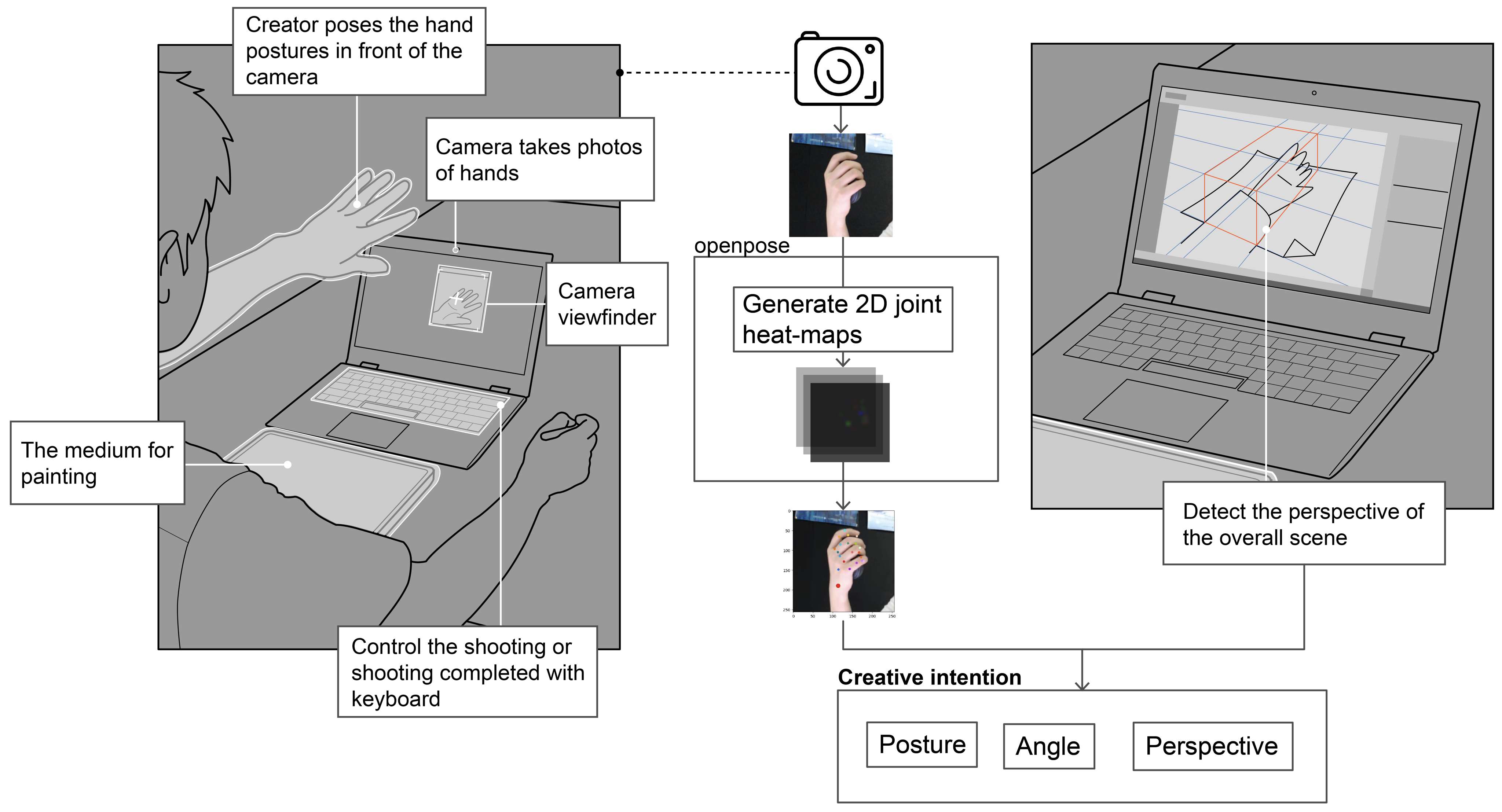
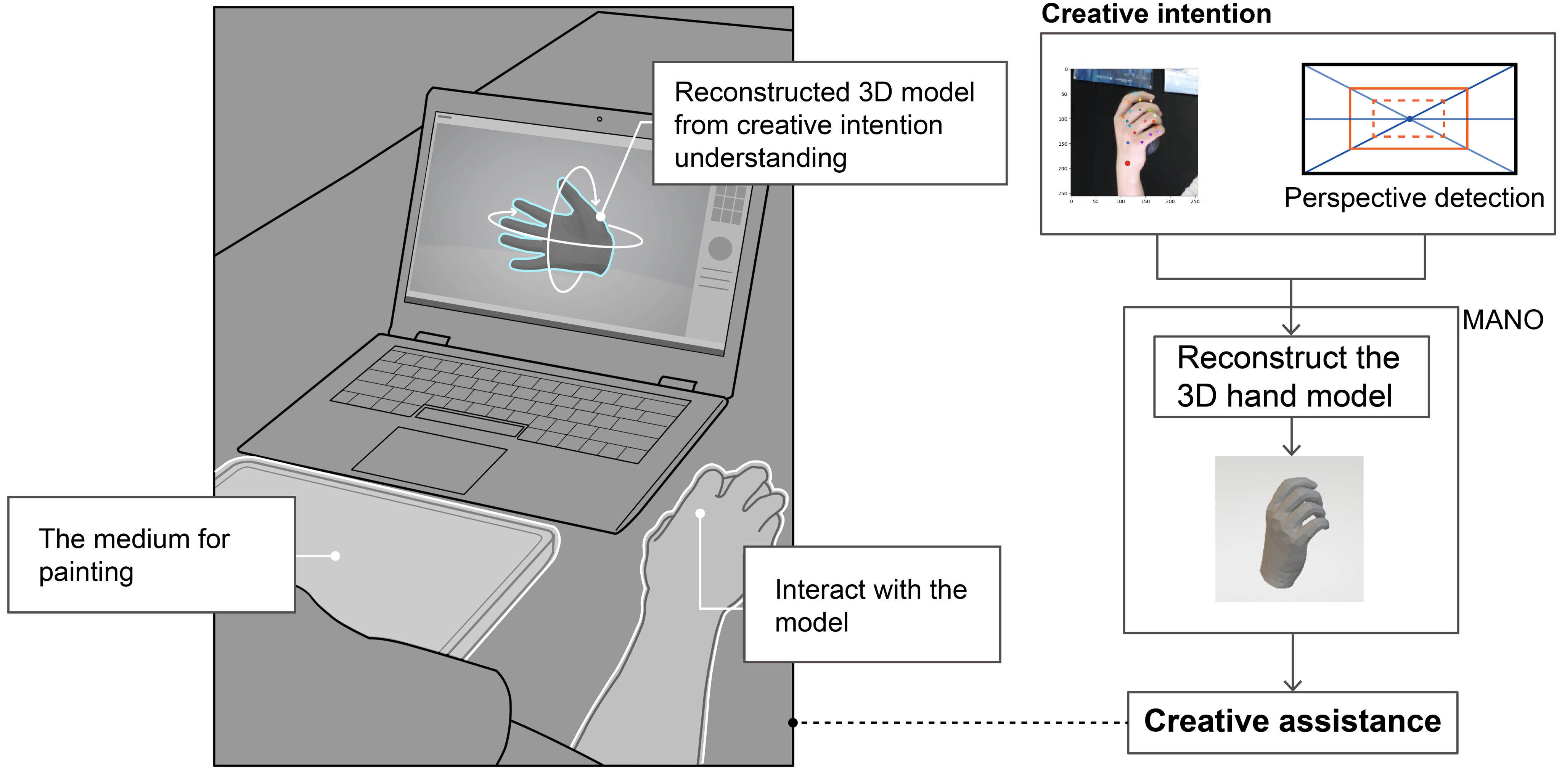
Hand anatomy, pose and perspective can constrain an otherwise viable idea. The prototype captures posture and scene perspective, reconstructs a 3D hand and lets the creator inspect and adapt the result.

Published as Give Me a Hand: A Scene-Fit Hand Posture Drawing Aid, 2022.
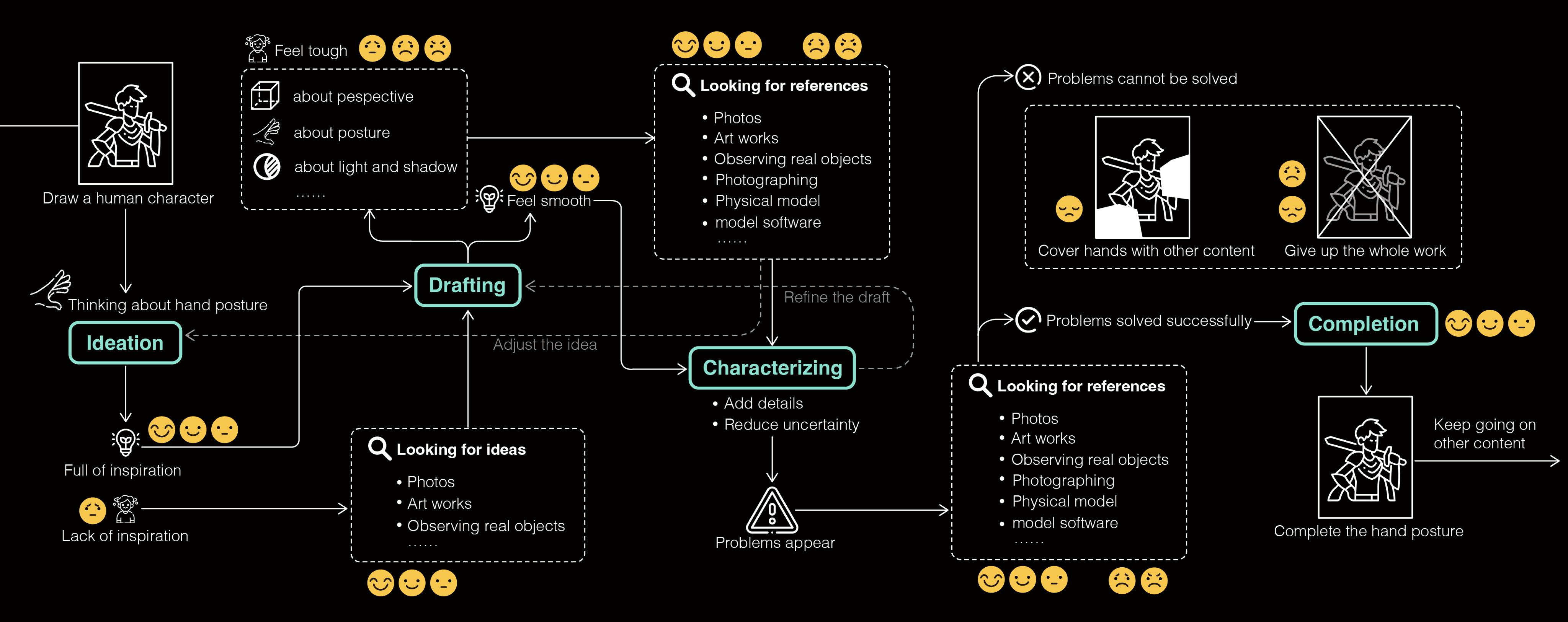
Creator journey from ideation through drafting and characterising to completion
Fieldwork located recurring hand-drawing problems, reference-seeking behaviour and emotional friction across the creative journey.
Give Me a Hand capture workflow for posture and scene perspective
The creator expresses posture and scene intention through the camera and drawing setup.
Give Me a Hand 3D reconstruction and interaction workflow
The system reconstructs a scene-fit 3D hand that can be rotated and adjusted before use.

Prototype learning and design findings

Assistance should be inspectable, optional and open to revision.

The prototype was studied as a collaborative process: express intention, generate support, then select and adapt. The creator remains responsible for selection, adjustment and integration.

The study reported increased satisfaction and stronger drawing outcomes, while the page avoids claiming generalisability beyond the reported participants and tasks.
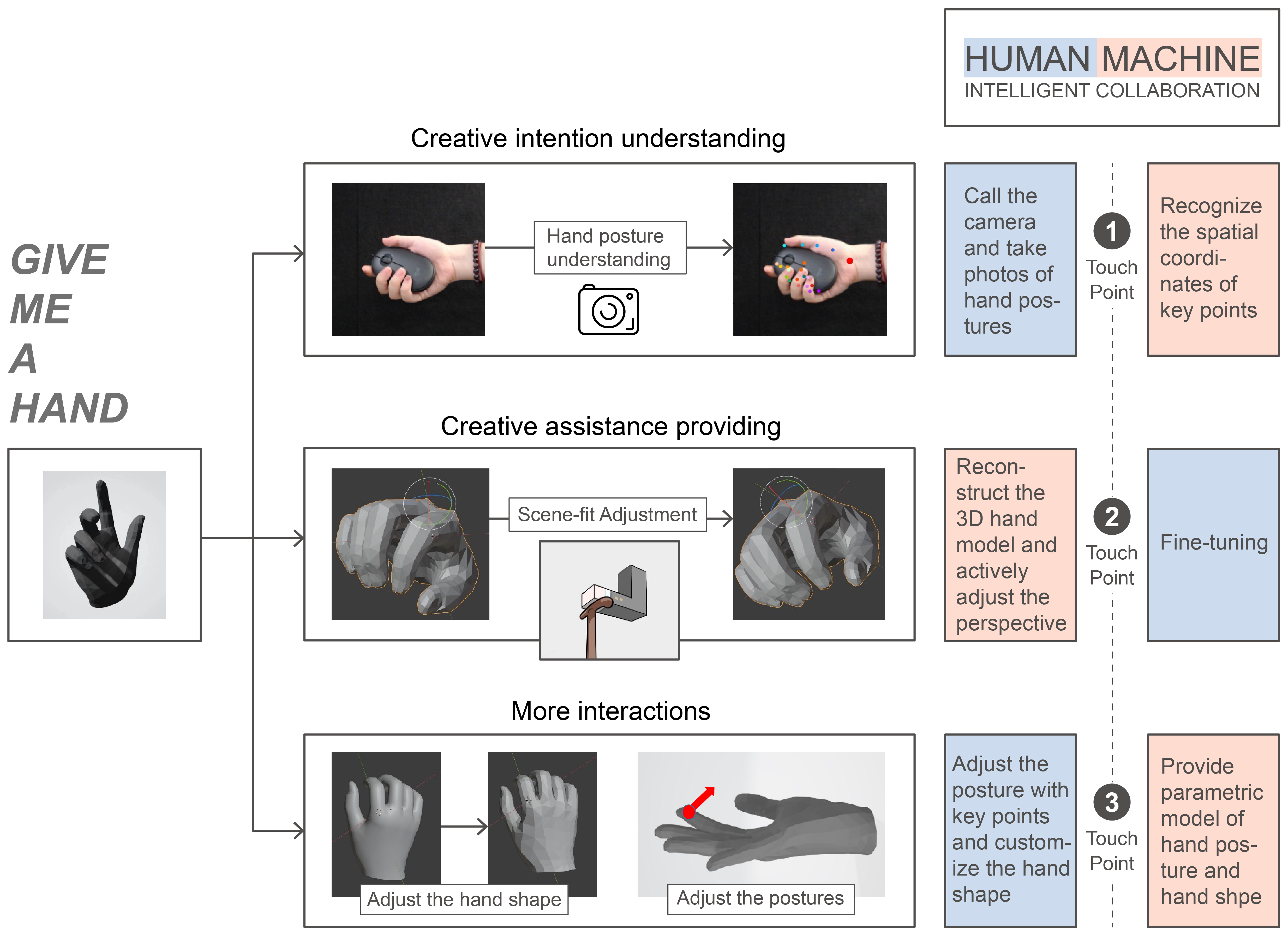
Three phases of human-AI collaboration in Give Me a Hand
Three touchpoints keep support subject to creator inspection and revision.
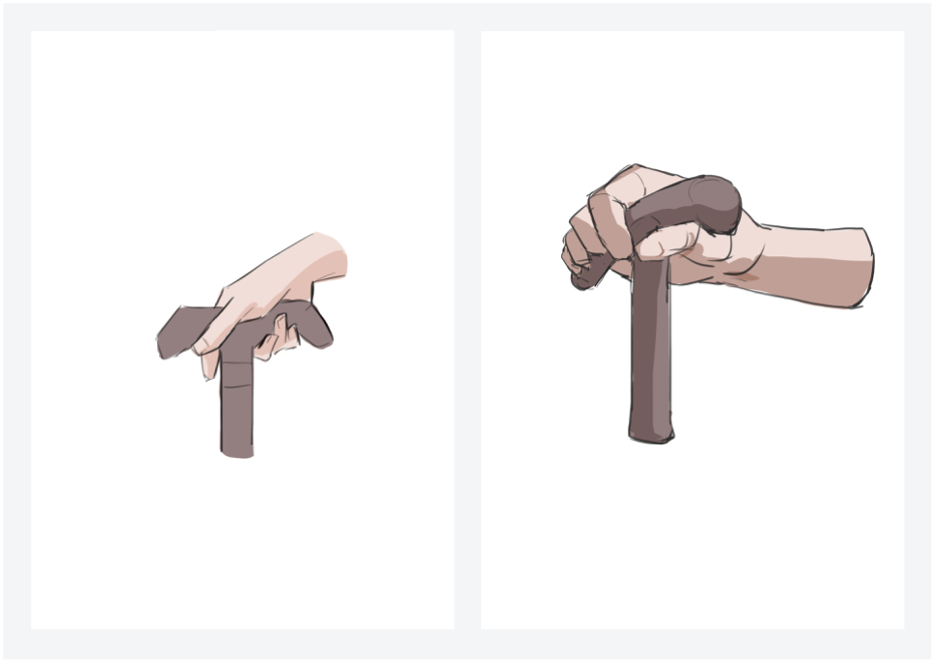
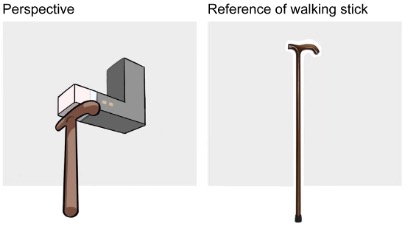
User-test task showing the creative content, scene perspective and walking-stick reference
Prototype user-test task: creative content, scene perspective and walking-stick reference.
One participant's drawing result without prototype support on the left and with prototype support on the right
One participant's task outcome: without prototype support (left) and with prototype support (right).

04 · Doctoral synthesis

From a single prototype to a general mechanism for drawing support.

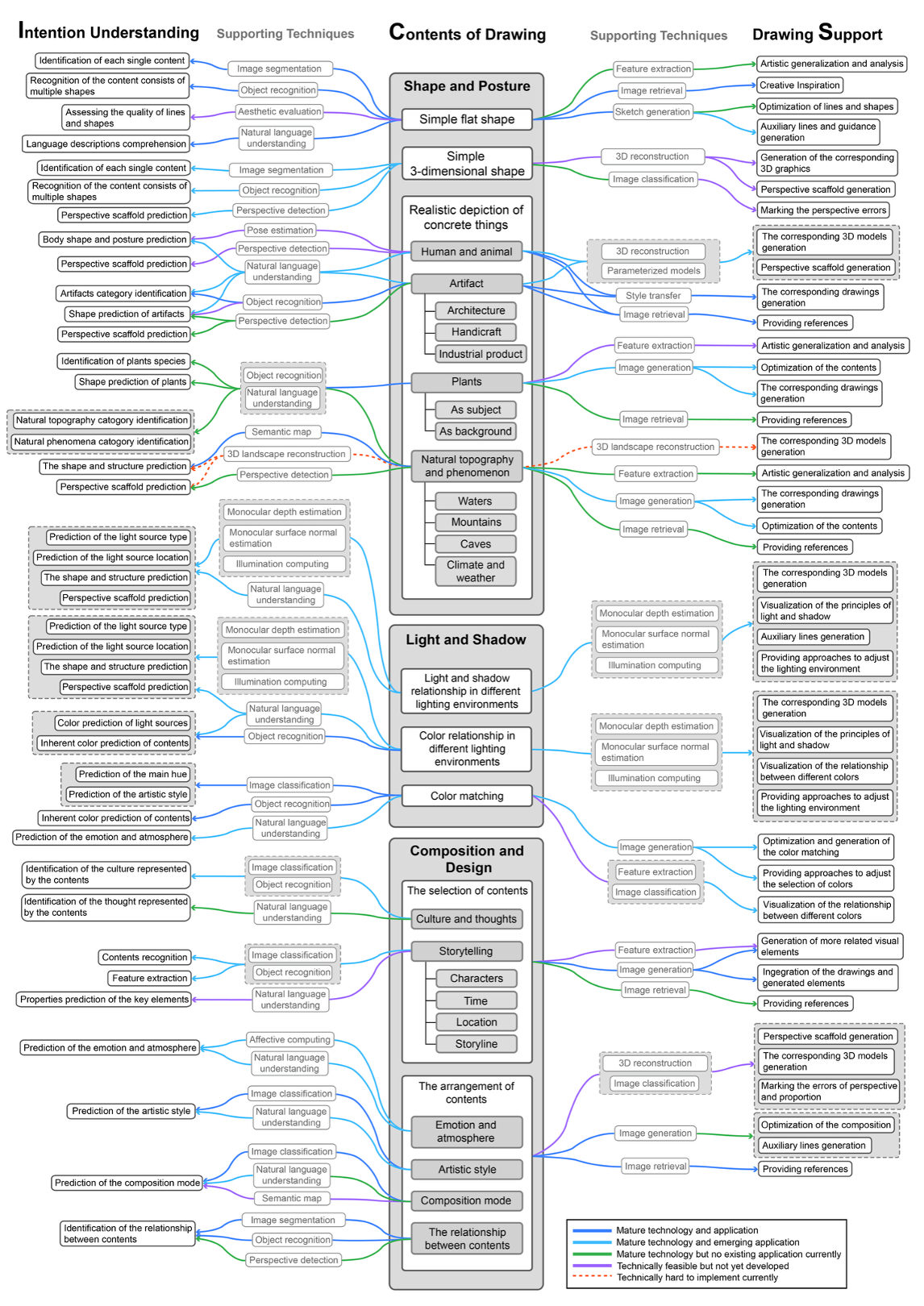
The synthesis links intention understanding and drawing support through repeated feedback across the creative process, then maps the available technical approaches and support forms.

Published as AI for Supporting the Freedom of Drawing, 2024.
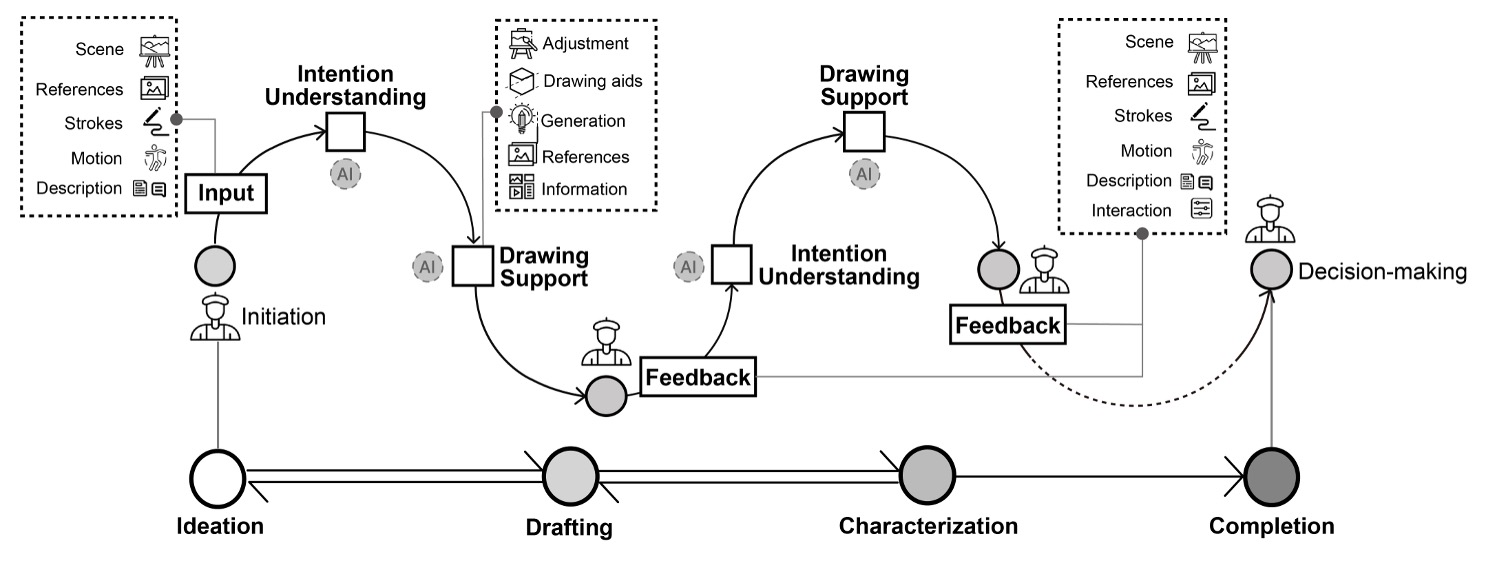
Mechanism connecting intention understanding, drawing support and creator feedback across the drawing process
Assistance alternates between understanding intention and offering support, with the creator making decisions at each stage.
Complete taxonomy connecting drawing contents, intention-understanding techniques and drawing-support techniques
Complete taxonomy of drawing contents, intention-understanding methods and support techniques.

Research contribution

Creator agency becomes a design requirement, not an abstract principle.

The doctoral contribution connects a coded research landscape, a creator-and-problem model, experimental prototypes and a general mechanism that maps creative intention to different forms of support.

It establishes the human-centred foundation for the later cultural-grounding research: AI support becomes useful when it can be inspected, situated and judged.